Toner (VitC + AHA) Formulation, Oxidation, and Whitening Gel Questions
Asked by: poompholpattapee
On: December 12, 2016
Product Type:
Cosmetics
Answered
Question
I would like to inquire about two formulas:
Toner (VitC + AHA)
- I want a formula similar to Skinceuticals C E Ferulic, but in a toner form.
- Why doesn't their formula seem to include ingredients to reduce oxidation?
- Is the following formula suitable, especially regarding the concentrations of acids and the inclusion of Double Hyaluron Liquid?
Water 63.8%
L-ascorbic acid 15%
Glutathione 1%
glycolic acid 5%
Salicylic Acid EZ 5%
Pro Vitamin B5 5%
Double Hyaluron Liquid 4%
Phenoxyethanol 1%
Disodium EDTA 0.2%
TEA / Citric Acid +-
Whitening Gel
- Is this type of formula suitable for morning use?
- Can you compare Zinc PCA and Azelaic Acid for use in this whitening gel formula, specifically regarding oil control and whitening effects?
Answer
Hello,
Regarding the formulas you provided:
1. Toner (VitC + AHA)
- 1.1 Similarity to Skinceuticals C E Ferulic: Your proposed formula contains L-Ascorbic Acid, Glycolic Acid (AHA), and Salicylic Acid (BHA), along with other ingredients like Glutathione, Pro Vitamin B5, and Hyaluron. Skinceuticals C E Ferulic contains L-Ascorbic Acid, Alpha Tocopherol (Vitamin E), and Ferulic Acid. While both contain L-Ascorbic Acid, the overall composition and supporting antioxidants/exfoliants are different. Skinceuticals uses Vitamin E and Ferulic Acid specifically for antioxidant synergy and stability with Vitamin C. Your formula includes exfoliating acids (AHA/BHA) and hydrating/soothing agents (B5, Hyaluron). Therefore, the formulas are not directly comparable, and your formula is designed as a toner with exfoliation and hydration, rather than a serum primarily focused on antioxidant protection like Skinceuticals C E Ferulic.
- 1.2 Oxidation: As C7 mentioned, L-Ascorbic Acid is prone to oxidation when exposed to air and light, which can cause the product to darken and potentially reduce its efficacy over time. While some manufacturers state that color change doesn't affect efficacy, this is generally not true as the oxidized form of Vitamin C is less active. The Skinceuticals formula uses specific antioxidants (Vitamin E, Ferulic Acid) to help improve stability, but oxidation can still occur. Your formula does not contain these specific stabilizing antioxidants, making it potentially more susceptible to oxidation. Proper packaging (airtight, opaque container) and storage (cool, dark place) are crucial for maintaining the stability of L-Ascorbic Acid.
- 1.3 Suitability and Double Hyaluron Liquid: C7 noted that the concentrations of Glycolic Acid (5%) and Salicylic Acid (5% EZ, equivalent to 1% active Salicylic Acid) in your proposed toner formula are quite high. Using this formula daily may cause skin irritation, stinging, and peeling, especially for sensitive skin types. It is advisable to start with lower concentrations of AHA/BHA or use the product less frequently if you experience irritation. Double Hyaluron Liquid can definitely be included; it is already in your formula and provides beneficial hydration, which can help counteract potential dryness from the exfoliating acids.
2. Whitenning Gel
- Formula Suitability: The Staff confirmed that this formula can be mixed. They noted that the presence of Zinc PCA might cause the gel texture to be slightly thinner due to its electrolyte nature. If you find the texture too thin after mixing, you can add a small amount (0.1-0.5%) of Pro Polymer to thicken it as desired.
- 2.1 Morning Use: This formula contains several whitening agents. While there's nothing in the formula that strictly prohibits morning use, it is crucial to use adequate sun protection (sunscreen with sufficient SPF and PA) daily, especially when using products containing whitening ingredients, as they can make your skin more sensitive to the sun. Using sunscreen helps prevent further pigmentation and protects your skin.
- 2.2 Zinc PCA vs Azelaic Acid: As explained by the Staff, Zinc PCA and Azelaic Acid have different primary benefits. Zinc PCA is effective for controlling oiliness, soothing acne, promoting wound healing, and has potential anti-aging effects, with less risk of irritation. Azelaic Acid can also help control oil and provides whitening benefits, but it may cause skin irritation. The Staff recommended Zinc PCA if your main goal is oil control without irritation. If significant whitening is a primary objective, Azelaic Acid could be considered, but be mindful of potential irritation. Your current formula includes Zinc PCA.
Hope this information is helpful!
Related Products Mentioned
Safe-B3™ (Vitamin B3, Niacinamide)
Cosmetics
GlucoBright™ (Acetyl Glucosamine)
Cosmetics
Vitamin C (L-ascorbic acid) (Ultra-Fine)
Cosmetics

Pro Polymer™ (Gel Maker)
Cosmetics
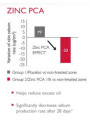
Zinc PCA
Cosmetics

Trans-White™
Cosmetics
Double Hyaluron Liquid
Cosmetics
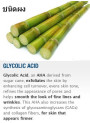
Glycopure™ (Glycolic Acid (AHA) Powder)
Cosmetics

Salicylic Acid EZ™ (ชนิดละลายน้ำ)
Cosmetics

MSH White Absorb™
Cosmetics
