Tranexamic Acid vs. Lemon Peel Bioferment for Melasma and Pigmentation
Question
Which is better for treating melasma and pigmentation caused by sun exposure: Tranexamic Acid or Lemon Peel Bioferment?
Answer
Tranexamic Acid vs. Lemon Peel Bioferment for Melasma
When comparing Tranexamic Acid and Lemon Peel Bioferment for treating melasma (กระ), Tranexamic Acid is generally considered more targeted and effective, especially for pigmentation caused by sun exposure.
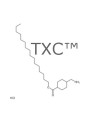
Tranexamic Acid: This ingredient works by reducing the formation of melanin pigment. It is widely used in cosmetic products specifically formulated to address blemishes and dark spots, particularly those resulting from sun damage. Products like Tranexamic Acid (Trans-White™), Nano-TXA™ (Tranexamic Acid Nano Emulsion, Penetration Base), and TXC™ (Cetyl Tranexamate HCl) are examples of how this ingredient is utilized in formulations.
Lemon Peel Bioferment: This ingredient functions as a tyrosinase inhibitor, which means it helps to suppress the process of skin pigmentation. It also offers antioxidant benefits. Lemon Peel Bioferment (Lemon Skin™) is effective in reducing pigmentation by inhibiting the enzyme responsible for melanin production.
While both ingredients can help with skin brightening and reducing pigmentation, Tranexamic Acid has a stronger reputation and more specific evidence supporting its use for melasma, particularly sun-induced types. However, as with any skincare ingredient, individual results can vary greatly depending on skin type and the specific cause of the pigmentation.
Related Products Mentioned
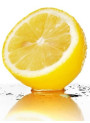
Lemon Peel Bioferment (Lemon Skin™)
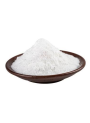
Tranexamic Acid (Trans-White™)