Treating Dry Acne Scars: Exfoliants vs. Copper Peptide
Question
Based on experience where Vitamin C and other whitening agents haven't improved existing acne scars, and currently trying LHA, I am also interested in Copper Peptide.
Which is better for treating dry acne scars: exfoliants like LHA and AHA, or peptides like Copper Peptide?
Answer
Information on Acne Scar Treatment Ingredients
Regarding the availability of Active Resveratrol Plus™, I cannot provide real-time stock information. However, Resveratrol is known for its antioxidant and anti-inflammatory properties, which can contribute to smoother, healthier-looking skin, aligning with your positive experience.
For treating dry acne scars, you're exploring different approaches. You mentioned trying Vitamin C and other whitening agents without significant improvement, and are now trying LHA. You are also interested in Copper Peptide.
Let's compare how exfoliants like LHA and AHA, and peptides like Copper Peptide, work on acne scars:
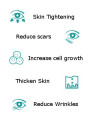
Exfoliants (LHA, AHA): Ingredients such as Capryloyl Salicylic Acid (LHA) and Alpha Hydroxy Acids (AHA) work by promoting skin cell turnover. This helps to shed damaged skin cells and reveal newer, healthier skin underneath. This process can improve the texture of the skin and reduce the appearance of superficial scars and discoloration over time. LHA, being a derivative of Salicylic Acid, also has properties that help with dissolving acne breakouts and is often considered gentler than some other exfoliants.
Copper Peptide (GHK-Cu): Copper Peptide is known for its wound healing and skin regeneration properties. It helps stimulate collagen and elastin production, which are crucial for rebuilding damaged skin tissue. Copper Peptide is specifically noted for its ability to help with scar problems, including acne scars, particularly when the scars are not very old. It supports the skin's natural repair mechanisms.
Which is better for dry acne scars?
Both types of ingredients can be beneficial, but they work through different mechanisms:
- Exfoliants are effective for improving skin texture, reducing hyperpigmentation (dark spots left by acne), and smoothing the surface of the skin by encouraging cell renewal.
- Copper Peptide focuses more on the repair of the scar tissue itself by stimulating collagen and promoting healing, which can help fill in depressed scars and improve overall skin structure.
For dry acne scars, especially those that involve some tissue damage or indentation, Copper Peptide may offer more direct support for rebuilding the skin matrix. However, exfoliants can complement this by improving surface texture and discoloration. The best approach might depend on the specific type and severity of the scar. For newer scars, Copper Peptide is often recommended for its healing properties. For older scars or those primarily involving discoloration and rough texture, exfoliants can be very helpful.
It's possible that a combination approach, carefully formulated to ensure compatibility and avoid irritation, could offer comprehensive benefits by addressing both tissue repair and surface renewal. Given your experience, exploring Copper Peptide is a reasonable next step, and you might find it addresses the scar issue differently than the Vitamin C and LHA you've tried.
Related Products Mentioned
Vitamin C (L-ascorbic acid) (Ultra-Fine)
Vitamin C (L-ascorbic acid) (Fine)