Tromethamine vs Triethanolamine: Safety and pH Adjuster Alternatives for Clear Gels
Question
Asking how tromethamine differs from triethanolamine
Dear Staff,
Thank you very much for the information.
I would like to ask further:
- Why does using Triethanolamine cause problems?
- Many sources say it is not safe to use. Is that true?
- If I want to make a gel, what can be used as an adjuster instead of Triethanolamine?
The formula contains ingredients that are not tolerant of electrolytes. When using NaOH, I found that the gel clarity is not as good as when using Triethanolamine.
Thank you.
Answer
Difference Between Tromethamine and Triethanolamine
Both Tromethamine (TRIS) and Triethanolamine are commonly used in cosmetic formulations primarily as pH adjusters to increase alkalinity.
- Function: Both serve the same main purpose of adjusting pH.
- Form: Tromethamine is typically a white powder, while Triethanolamine is a clear liquid.
- Alkalinity: Tromethamine generally provides more alkalinity per unit weight compared to Triethanolamine due to its chemical structure and pKa value.
Safety and Stability
Concerns about Triethanolamine often relate to potential impurities, such as nitrosamines, which can form under certain conditions. High-purity grades, like Triethanolamine 99%, are specifically tested to minimize these concerns and are generally considered safe for cosmetic use within regulatory limits.
Regarding stability, while both are used for pH adjustment, Triethanolamine can sometimes cause issues with formula clarity, particularly in gel formulations containing high levels of alcohol or ingredients sensitive to electrolytes. This might be why formulators look for alternatives in specific challenging systems.
Alternatives for Gel Formulations
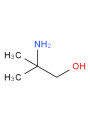
If you are making a gel formula that is sensitive to electrolytes and find that Sodium Hydroxide (NaOH) does not provide the desired clarity compared to Triethanolamine, AMP (2-Amino-2-methyl-1-propanol) 95% (Deodorized) is an excellent alternative.
AMP is an alkali pH adjuster known for providing better formulation stability and helping to maintain clarity, especially in alcohol-based or electrolyte-sensitive gel systems where Triethanolamine might cause haziness. It is a suitable substitute when clarity and stability are critical.
Updated Review: May 2026
This section was added after reviewing the original answer against current product availability and formulation knowledge at the stated point in time.
Update (May 17, 2026): For optimal clarity in gel formulations, particularly those with high alcohol content or electrolyte-sensitive thickeners, AMP (Aminomethyl Propanol) remains the superior choice to prevent haziness. Triethanolamine 99% is effective for general pH adjustment but should be limited to a maximum concentration of 2.5% to ensure safety and minimize nitrosamine risks. For formulations requiring a stable buffer in powder form, Tromethamine (TRIS) is recommended at usage levels typically between 0.1% and 1.0%. Always verify the compatibility of your pH adjuster with the specific thickening agent used in your formula.
Related Products Mentioned
Triethanolamine 99%
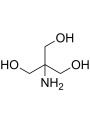
Tromethamine (TRIS, eq. AMINO ULTRA PC)