Troubleshooting Clogged Pores from Homemade Skincare Formulations
Question
I've been trying to mix my own skincare products, but I often find they aren't as effective as expected, even though I choose skin-friendly ingredients.
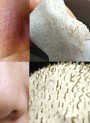
What I usually experience when testing is that my face doesn't improve; instead, I often get [b]clogged pores[/b] (even though I don't normally get this type of acne). I've been experimenting with different formulas for almost 3 years, trying over 50 formulas and making them over 100 times. My skin condition has been fluctuating during this period. Now, I've stopped using my homemade creams and returned to using counter-brand skincare, and my skin feels much better.
I'm not going to stop making my own products, but I'm trying to find out why this is happening.
My first hypothesis is about the cleanliness of all the equipment I use. Is spraying everything with alcohol and letting it dry before use the correct method? I've searched and found some sources recommending soaking equipment in a 5% bleach solution and letting it dry before use. Is this correct, and where can I buy the bleach solution?
Are there any other possible explanations?
Answer
Understanding Breakouts in Homemade Formulations
It's commendable that you've dedicated so much time and effort to creating your own skincare formulations. It's a complex process, and experiencing unexpected skin reactions like clogged pores is a common challenge in DIY cosmetics.
Let's explore potential reasons for this issue:
1. Sanitation and Sterilization
Maintaining a clean environment and sterile equipment is crucial in cosmetic formulation to prevent microbial contamination, which can lead to skin irritation and breakouts. While spraying equipment with alcohol is a good step for surface sanitization, it may not achieve full sterilization, especially if equipment isn't thoroughly cleaned first or if complex shapes prevent complete contact and drying.
A 5% bleach solution soak is a stronger method for sterilization, often used in laboratory settings. However, using bleach requires extreme caution due to its corrosive nature and the need for thorough rinsing to ensure no residue remains, as bleach residue can be highly irritating to the skin. For home formulation, a practical approach is to thoroughly clean all equipment with detergent and water, rinse well, then sanitize by soaking or spraying with 70% isopropyl alcohol or ethanol, and allow everything to air dry completely before use. Ensure your workspace is also clean.
2. Ingredient Selection and Comedogenicity
Even ingredients considered "gentle" can be comedogenic (pore-clogging) for some individuals. Certain oils, waxes, esters, and thickeners are known to have higher comedogenic ratings. While a single ingredient might seem fine, combinations in a formula can increase the likelihood of clogging pores. Reviewing the comedogenic ratings of each ingredient in your formulas could be helpful, although these ratings are not absolute and can vary based on concentration and individual skin type.
3. Formulation Issues
Several aspects of the formulation itself can contribute to breakouts:
- Lack of Proper Preservation: Homemade products, especially those containing water, are highly susceptible to bacterial and fungal growth. Inadequate or incorrect preservation allows microbes to proliferate, which can cause irritation, inflammation, and acne.
- Incorrect Ingredient Ratios or Interactions: The concentration of active ingredients, the balance of oils and water, and the interaction between different components can significantly impact the final product's stability, texture, and skin compatibility. Incorrect ratios can lead to formulas that sit on the skin, block pores, or cause irritation.
- pH Level: The pH of a skincare product is important for skin health and ingredient efficacy. A pH that is too high or too low can disrupt the skin's natural barrier, leading to irritation and increased susceptibility to breakouts.
- Ingredient Quality: The purity and quality of raw materials can vary. Using cosmetic-grade ingredients from reputable suppliers is essential.
4. Over-Experimentation
Testing over 50 formulas in a relatively short period means your skin has been exposed to a wide variety of ingredients and formulations. This constant change can stress the skin barrier and lead to sensitivity and breakouts. When you returned to a stable, commercially formulated product, your skin likely benefited from consistency and optimized formulations.
Recommendations:
- Refine Sanitation: Ensure thorough cleaning followed by effective sanitization (like 70% alcohol) and complete drying of all equipment and workspace.
- Review Ingredients: Research the comedogenic potential of each ingredient in your formulas. Consider simplifying your formulations.
- Focus on Preservation: If your formulas contain water, proper broad-spectrum preservation is non-negotiable for safety and skin health.
- Check pH: If possible, test and adjust the pH of your final products to be skin-compatible (typically between 4.5 and 5.5).
- Simplify and Test Gradually: When developing new formulas, start with simple ones and introduce new ingredients gradually. Test new formulations on a small area of skin before applying to your face.
It's great that you're determined to continue. By addressing these potential factors, you can increase your chances of creating effective and skin-friendly formulations.
Related Products Mentioned

QD-365 Anti-Acne Complex