Troubleshooting Gel Formula Texture/Irritation & Seeking Gentle Whitening Serum Advice
Question
Questions about previous formula and seeking advice for a new whitening formula
I previously made a formula using Double Hyaluronic Gel as a base and added the following ingredients:
- Sea Kelp Bioferment
- Green Tea Extract
- Peptides
- Vitamin B3 (Niacinamide) 5%
The total concentration of added ingredients was around 69%. I expected the texture to be quite thick, but it turned out thicker than water but still lighter than a typical serum or gel. The product is clear to slightly cloudy with a faint green tint under light.
- Is the resulting texture (thicker than water, lighter than serum/gel) normal for this formulation with a gel base and high total concentration of added actives?
- Could the extracts (Sea Kelp Bioferment, Green Tea Extract) or peptides be ineffective, or could their efficacy have been reduced due to a shipping delay?
- I experienced red spots/irritation on my face after using this formula, but not on my neck or hands. Could this be due to the formula or specifically the Niacinamide 5% concentration?
New Formula for Whitening with Minimal Irritation
I want to create a new formula focusing on skin whitening with minimal irritation. I plan to use the following ingredients:
- Alpha Arbutin
- Niacinamide
- Natural Moisturizing Amino Acids
- Licorice Extract
- Lemon Peel Bioferment
- Allantoin
Please provide recommendations for this new formula, focusing on ingredient concentrations and any additional ingredients that could enhance the anti-irritation properties.
Answer
Explanation regarding your mixed formula
Thank you for the information and questions regarding the Double Hyaluronic Gel product you tested. We understand your desire for further clarification to achieve better results in your next formulation. We are happy to provide guidance.
Regarding the formula you described, the total concentration of ingredients is around 69%, which is quite high compared to a pure water base. However, since you used Double Hyaluronic Gel as the base, which already contains Hyaluronic Acid and potentially other gelling agents, adding a high percentage of active ingredients does not necessarily result in a very thick texture like adding the same amount to pure water. The resulting texture, which is thicker than water but still lighter than typical serums or gels, is correct and possible for a formula with a gel base.
Concerning the color and viscosity of certain extracts like Sea Kelp Bioferment and Green Tea Extract, these extracts have natural colors (e.g., green or brown) and some may slightly affect the viscosity of the formula. The effect varies depending on the specific extract, concentration, and overall formula composition. The fact that your product is clear to slightly cloudy with a faint green tint under light indicates that the Green Tea Extract contributed its natural color, but it did not significantly thicken the texture, which is normal. It does not mean the extracts are ineffective.
Regarding the peptides and potential degradation from delayed shipping, while the product was well-packaged to maintain quality, some active ingredients like peptides can be sensitive to temperature and environmental changes. However, if the product's appearance (color, smell, texture) remains unchanged, it is likely that the efficacy is still maintained. For maximum assurance, storing products containing sensitive actives in the refrigerator as recommended helps prolong their shelf life and maintain efficacy.
Skin Reaction and Recommendations for a New Whitening Formula
Based on the previous discussion with our staff and cosmeceutical7, the red spots or irritation on your face were likely caused by Vitamin B3 (Niacinamide) at a 5% concentration. This is a common reaction known as Skin Flushing, especially for new users or when using higher concentrations than usual (like in Olay). This symptom often improves as the skin adjusts, or you can try reducing the concentration and gradually increasing the amount used. The lack of reaction on your neck and hands might be because the skin there is more resilient or the application amount was different. Patch testing behind the ear is a good method to check for sensitivity before applying to the entire face.
For your new formula focusing on whitening with minimal irritation, the ingredients you selected are excellent: Alpha Arbutin, Niacinamide, Natural Moisturizing Amino Acids, Licorice Extract, Lemon Peel Bioferment, and Allantoin.
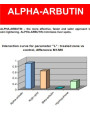
- Alpha Arbutin: An effective and safe whitening agent.
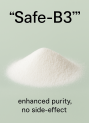
- Niacinamide (Vitamin B3): Helps with whitening, reducing dark spots and redness, strengthening the skin barrier, and reducing inflammation. We recommend starting with a lower concentration, such as 2-3%, if you have experienced flushing before.
- Natural Moisturizing Amino Acids: Helps replenish the skin's natural moisture factors and reduces irritation.
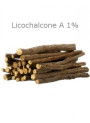
- Licorice Extract (Licochalcone A): Known for its anti-inflammatory, anti-irritant, and redness-reducing properties.
- Lemon Peel Bioferment: Inhibits melanin production and acts as an antioxidant.
- Allantoin: Helps reduce irritation, promotes healing, and supports tissue regeneration.
To further enhance the anti-irritation properties as you requested, consider adding these ingredients:
- Bisabolol (Natural or Alpha Bisabolol): An extract from chamomile flowers, highly effective in reducing irritation and inflammation.
- Centella Asiatica Extract (Madecassoside or TECA): Extract from Gotu Kola, helps soothe, heal, reduce redness, and stimulate collagen.
Combining these ingredients at appropriate concentrations, especially starting Niacinamide at a lower percentage and gradually increasing as tolerated, will help you achieve a formula that promotes skin whitening while minimizing the chance of irritation. Always patch test the new formula on a small area before applying it to your entire face.
Summary of Recommendations for the New Formula
For a formula focused on whitening and reducing irritation, you can use your selected ingredients as a base and potentially add other anti-irritant ingredients as follows:
- Alpha Arbutin: 2%
- Niacinamide (Vitamin B3): Start at 2-3% (adjustable)
- Natural Moisturizing Amino Acids: 3-5%
- Licorice Extract (Licochalcone A 1%): 0.5-1%
- Lemon Peel Bioferment: 2-3%
- Allantoin: 0.5%
- Bisabolol: 0.5-1%
- Centella Asiatica Extract (Madecassoside 90% or TECA 95%): 1%
- You may also use Chamomile Water as part of the water base to add soothing properties.
The total percentage of active ingredients should consider the compatibility of each ingredient and the desired texture. If you prefer a light, clear gel texture like your previous product, you can use Hyaluronic Acid Gel Base or Double Hyaluron Liquid as the main base and add the active ingredients at the recommended percentages.
We hope this information is helpful for your next formulation. If you have any further questions or need advice on adjusting the percentages, please feel free to ask.
Related Products Mentioned
Pal-GHK, Pal-GQPR (eq Matrixyl 3000)
Alpha Arbutin (Switzerland)
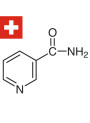
Safe-B3™ (Vitamin B3, Niacinamide)
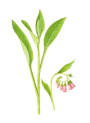
Allantoin
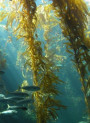
Sea Kelp Extract
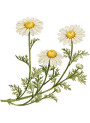
Natural Bisabolol (Brazil Chamomile)
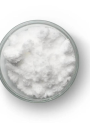
GlucoBright™ (Acetyl Glucosamine)
Urea (High Purity, Cosmetics, Powder)
Phenoxyethanol (Extra Pure)
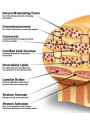
Lemon Peel Bioferment (Lemon Skin™)
Double Hyaluron Liquid
HYDRO-UREA® Liquid (Hydroxyethyl Urea)
Hi-EGCG™ (Green Tea Extract)

Phenoxyethanol SA (eq. Optiphen Plus)
Ectoine (Ectoin, from Bio-fermentation)

Chamomile Water (Anthemis Nobilis)
Sodium Lactate Plus
Pure-EGCG™ (Green Tea Extract, 98% EGCG)
Acetyl Octapeptide-3 (eq. SNAP-8)
Hyaluronic Acid Gel Base
