Troubleshooting Liquid Face Cream Formulation
Question
How can I fix my face cream formulation that turned out liquid? I am trying to make a cream for a "bouncy, clear, white face" using the following ingredients, but it is not forming a stable cream texture:
- Water
- Beeswax
- Cetyl Alcohol
- Sunflower Oil
- Olive Oil
- Vitamin B3
- Arbutin
- Tween 20
- Apple Stem Cell Extract
- Copper Peptide
- Phenoxyethanol
Answer
Troubleshooting Your Liquid Cream Formulation
It sounds like you're trying to create a lovely "bouncy, clear, white face" cream, but it's turning out liquid instead of a stable cream. This is a common issue when making emulsions and is likely related to the balance of your ingredients, particularly the emulsifiers and thickeners.
Based on the ingredients you listed:
- Water is your water phase.
- Sunflower Oil and Olive Oil make up your oil phase.
- Beeswax, Cetyl Alcohol, and Polysorbate 20 (Tween 20) are intended to help combine these phases and thicken the mixture.
- Vitamin B3 (Niacinamide), Alpha Arbutin, Apple Stem Cell Extract, and Copper Peptide are active ingredients.
- Phenoxyethanol is your preservative.
Why Your Cream Might Be Liquid
Making a cream requires creating a stable emulsion, which is a blend of oil and water that wouldn't normally mix. This stability is achieved by using emulsifiers that act as a bridge between the oil and water molecules.
In your formula:
- Beeswax and Cetyl Alcohol are excellent thickeners and provide body to creams, but they are not complete emulsifiers on their own. They need a primary emulsifier to effectively bind the oil and water phases.
- Polysorbate 20 (Tween 20) is an emulsifier, but it is generally considered a solubilizer or co-emulsifier, often used to disperse small amounts of oil in water or to boost other emulsifiers. It may not be strong enough on its own to create a stable, thick cream emulsion, especially if you have a significant amount of Sunflower and Olive oils.
The most probable reason for your cream being liquid is that the amount or combination of your emulsifying and thickening agents (Beeswax, Cetyl Alcohol, and Polysorbate 20) is not sufficient or correctly balanced to emulsify the quantity of oils you are using and create the desired cream structure.
General Cream Making Process
To create a stable cream emulsion, you typically follow these steps:
- Heat Phases Separately: Heat your water phase ingredients and your oil phase ingredients (oils, waxes, fatty alcohols, oil-soluble emulsifiers) in separate containers to a similar temperature, usually between 70-80°C, ensuring the oil phase is fully melted.
- Combine and Emulsify: Slowly pour the hot oil phase into the hot water phase while mixing continuously and vigorously with a suitable high-shear mixer (like a stick blender or homogenizer) for several minutes to form the emulsion.
- Cool Down: Continue mixing at a slower speed as the emulsion cools. This helps the cream thicken and stabilize.
- Add Sensitive Ingredients: Once the temperature drops below 40°C, add your heat-sensitive active ingredients (like Vitamin B3, Alpha Arbutin, Apple Stem Cell Extract, Copper Peptide) and your preservative (Phenoxyethanol).
- Final Mix: Mix until all ingredients are evenly dispersed and the cream is smooth.
Finding the Right Formula
Achieving the correct cream consistency relies heavily on the precise percentages of each ingredient, particularly the ratio of the oil phase to the water phase and the amount and type of emulsifier used. Without knowing the exact quantities you are working with, it's difficult to provide specific adjustments.
As the staff reply you received suggested, the best approach is to consult the source of the formula you are using or the supplier of your ingredients. They should be able to provide you with a tested formula including the correct percentages and detailed mixing instructions to help you achieve a successful cream consistency.
If you would like more information about the properties or recommended usage rates of the individual ingredients you listed, based on the product descriptions I have, please let me know.
Related Products Mentioned
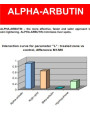
Alpha Arbutin (Switzerland)
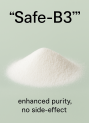
Safe-B3™ (Vitamin B3, Niacinamide)
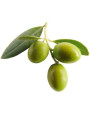
Olive Oil (Extra Virgin)
Phenoxyethanol (Extra Pure)
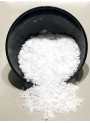
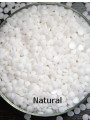
Cetyl Alcohol
Polysorbate 20 (Tween 20)
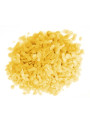
Yellow Beeswax
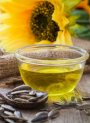
Sunflower Oil (High Omega, Refined)