Troubleshooting Low Viscosity and White Streaks in Cream Formulation
Asked by: weraskin19
On: March 30, 2026
Product Type:
Cosmetics
Answered
Question
I would like to ask for advice regarding the following cream formulation:
- Coconut Oil:
0.5 Mineral Oil 26:1.5LipidSoft™ Lite(Isononyl Isononanoate) ININ:1Dimethicone(Medium/350):1.5Stearic acid:1Stearyl alcohol:0.5Cetyl alcohol:1Cetearyl alcohol:2Lexemul 561:3.5HEC:0.2Niacinamide B3:4Alpha Arbutin:2Retinol:0.1Panthenol B5:1Allantoin:0.2OX:0.6
Why is the cream in this formula so liquid? Which ingredients should I increase or decrease to prevent it from being runny and to avoid leaving white streaks upon application?
Answer
Based on your formula, here are the reasons why the cream is liquid and leaves white streaks, along with suggestions for improvement:
1. Why the cream is liquid
- Low Water-Phase Thickener: You are using Hydroxyethyl Cellulose at only 0.2%. This concentration is too low to provide significant viscosity to the water phase. For a cream texture, this should typically be increased to 0.6% – 1.0%.
- Low Total Oil/Wax Content: Your total oil phase and waxes (Coconut Oil, Mineral Oil, LipidSoft™ Lite, Dimethicone, Stearic Acid, and Fatty Alcohols) make up about 12.5% of the formula. For a thick cream, the combination of oils and structuring waxes usually needs to be higher, or the water phase must be more heavily thickened.
- Emulsifier Nature: Milk Lotion Maker (Glyceryl Stearate and PEG-100 Stearate) is a very stable emulsifier but does not provide high viscosity on its own. it relies heavily on fatty alcohols and water-phase thickeners to build body.
2. Why it leaves white streaks (Soap Effect)
- Stearic Acid & Waxes: A high concentration of Stearic Acid combined with certain emulsifiers often causes a "soaping effect" or white streaks during application.
- Insufficient Spreading/Silicone: While you have Dimethicone, the ratio of waxes to spreading oils might still be unbalanced, leading to the drag and whitening effect.
Recommendations for Adjustment
To make the cream thicker and reduce white streaks, try the following:
- Increase Viscosity:
- Increase Hydroxyethyl Cellulose to 0.8% – 1.0%.
- Increase Cetyl Alcohol or Cetearyl Alcohol by an additional 1% – 2%. These act as structuring agents that build the "body" of the cream.
- Reduce White Streaks:
- Reduce Stearic Acid to 0.5%. This will significantly help reduce the whitening effect.
- Ensure the cream is thoroughly homogenized during the cooling phase.
- Improve Texture:
- Consider adding a polymer thickener that provides a better skin feel and helps "kill" the soap effect, such as a carbomer or a synthetic polymer (if compatible with your active ingredients). However, since you have high electrolytes (Niacinamide, Alpha Arbutin), Hydroxyethyl Cellulose is a good choice as it is electrolyte-resistant. Just increasing its dosage should help.
Revised Ingredient Names (for your reference in the catalog):
- Lexemul 561 is referred to as Milk Lotion Maker.
- HEC is Hydroxyethyl Cellulose.
- OX is Protec™ OX.
- Niacinamide B3 is Safe-B3™.
- Panthenol B5 is Vitamin B5 (Extra Pure).
- Mineral Oil 26 is Mineral Oil (Paraffinum Liquidum) Light (26cst).
Related Products Mentioned
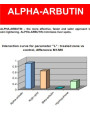
Alpha Arbutin (Switzerland)
Cosmetics
Safe-B3™ (Vitamin B3, Niacinamide)
Cosmetics

Allantoin
Cosmetics
Dimethicone (Medium/350, Low-Odor)
Cosmetics
Cetyl Alcohol
Cosmetics
Lauryl Glucoside
Cosmetics
Cetearyl Alcohol (50/50, e.q. Lanette O)
Cosmetics

Hectorite Gel™ (Mineral Oil Base)
Cosmetics
Milk Lotion Maker™
Cosmetics

ReadyMix™ D&C Red No.30 Lake (Oil Based)
Cosmetics

Hydroxyethyl Cellulose (HEC) (4500mPa.s)
Cosmetics
Stearyl Alcohol
Cosmetics
Retinol (100% Pure Powder)
Cosmetics
Powder To Coconut Oil Cream Base
Cosmetics