Troubleshooting Pilling in Cream Formulation
Question
I made a cream formulation with the following ingredients and volumes: Glycerin 30 ml, Water 700ml, novemer 40ml, lex 50ml, Mild Preserved 1ml, MOIST24 6ml, Z-White 1.5 ml, Sodium Lactate Plus 3ml, Sodium Lactate 4ml, Urea 5ml, sodium pax50 3ml. The texture absorbs well for some people, but for others, the cream pills/flakes when applied. What could be causing this pilling issue?
Answer
Addressing Pilling in Your Cream Formulation
Pilling, or the formation of small rolls of product on the skin, is a common issue in cosmetic formulations. It occurs when the product does not fully absorb into the skin and instead dries down to form a film that rubs off. This can be frustrating for users and indicates a potential incompatibility or imbalance in the formula.
Based on the ingredients you've listed, several factors could be contributing to the pilling issue:
- High Humectant Concentration: Your formula contains a significant amount of humectants, including Glycerin, MOIST24 (Glycereth-26), Sodium Lactate Plus (Sodium Lactate, Sodium Gluconate), Sodium Lactate, Urea, and Sodium PCA 50%. Humectants attract and hold water, which is great for hydration. However, at high concentrations, they can create a slightly sticky film on the skin. When this film is rubbed, or when another product is applied over it, it can roll up and cause pilling. The total volume of these humectants relative to the water phase in your formula appears quite high, which is a likely primary cause.
- Unidentified Ingredients ("novemer", "lex"): You mentioned "novemer" and "lex". Without knowing the specific chemical names or types of these ingredients, it's difficult to assess their properties. However, if they are polymers, gums, or certain types of thickeners or film-formers, they are common culprits for pilling, especially if used at too high a concentration or if they are not compatible with other ingredients in the formula.
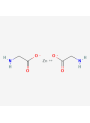
- Ingredient Interactions: The combination of various ingredients, particularly different types of humectants and any polymers present ("novemer", "lex"), might interact in ways that lead to instability or the formation of a film prone to pilling. Z-White (Zinc Glycinate), while water-soluble, is a powder ingredient whose interaction with other components could potentially contribute to texture issues if not fully compatible or dispersed. The product description for Z-White notes that using more than 1% might feel "deflating" on the skin, which suggests it has a noticeable impact on skin feel.
- Application Method: Sometimes, pilling is related to how the product is applied. Rubbing the product vigorously instead of gently patting it in can cause it to pill. Applying the cream over other products that haven't fully absorbed can also lead to this issue.
To address the pilling problem, consider the following troubleshooting steps:
- Reduce Humectant Levels: Try reducing the concentration of one or more of the humectants in your formula. You might start by slightly lowering the amount of Glycerin, Sodium Lactate, or Urea, as these are present in relatively higher volumes. This can help decrease the stickiness and reduce the tendency to form a film that pills. You may need to experiment to find the right balance that maintains hydration without causing pilling.
- Identify "novemer" and "lex": It is crucial to identify the exact nature of "novemer" and "lex". If they are polymers or thickeners, research their compatibility with high humectant concentrations and consider reducing their amounts or trying alternative ingredients with different properties.
- Optimize Mixing Procedure: Ensure all water-soluble ingredients, especially powders like Z-White, are fully dissolved in the water phase before combining with other phases of your formulation. Proper mixing and emulsification (if it's an emulsion) are essential for a stable and smooth texture.
- Adjust Application Instructions: Advise users who experience pilling to apply the cream to slightly damp skin and gently pat it in rather than rubbing. Also, suggest waiting a few moments for any previously applied serums or treatments to fully absorb before applying the cream.
- Check pH: While not explicitly mentioned as a cause of pilling for these ingredients, ensuring the final pH of your formulation is within the recommended range for all ingredients can help maintain stability and prevent unwanted interactions.
By carefully examining the concentrations of your humectants and identifying the unknown ingredients, you can make targeted adjustments to your formula to minimize or eliminate the pilling issue for your users.
Related Products Mentioned
Glycerin (USP/Food Grade)
Sodium Lactate (60% Liquid, Natural)
Urea (High Purity, Cosmetics, Powder)
Sodium PCA 50%
Mild Preserved Eco™ (Preservative-Free)
MOIST24
Sodium Lactate Plus