Troubleshooting Serum Formula: Stickiness and Fishy Odor
Question
I would like to ask for advice regarding a serum formula. The test formula for Puress Blue Serum has the following ingredients:
Zinc PCA 1%
Sebum-Reg™ (Capryloyl Glycine) 2%
Methylsulfonylmethane (Pure MSM™) 3%
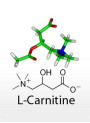
L-Carnitine (Carnitine) 3%
Vitamin B6 (Pyridoxine Hydrochloride) 2%
SelectSorb™ (PMMA Oil Absorber) 3%
Safe-B3™ (Vitamin B3, Niacinamide, Switzerland) 2%
GlucoBright™ (Acetyl glucosamine) 3%
Z-White™ 0.5%
4MSK (Potassium Methoxysalicylate) 2%
CosmoWhite™ (1-Methylhydantoin-2-Imide) 1.5%
Tranexamic Acid 1%
Alpha Arbutin (China, Enzymatic Synthesis) 1%
Satin Cream Maker™ 1.8%
Silicone Gel (Ultra Clear) 7%
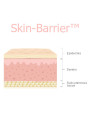
Skin-mimic™ (Skin Barrier Restoration) 5%
Disodium EDTA 0.2%
Sodium Metabisulfite 0.2%
Mild Preserved Eco™ (Preservative-Free) 1%
Dimethyl Isosorbide (DMI) 3%
Phospholipid 2%
Mystery Rose 0.1%
Sterile Distilled Water 54.7%
After using it, I encountered the following problems:
- After application, the serum leaves a sticky residue on the face.
- The serum has a faint fishy smell, similar to fish sauce.
I would like to know the causes of these issues and how to resolve them. Thank you in advance.
Answer
Subject: Advice on Serum Formulation
Thank you for providing the formula for your test batch of Puress Blue Serum and detailing the issues you encountered. Based on the ingredients and percentages listed, here are some potential causes and suggested solutions for the stickiness and the faint fishy smell:
1. Stickiness:
Potential Causes:
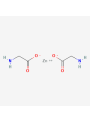
- High Concentration of Water-Soluble Actives: Many of the active ingredients (Zinc PCA, Capryloyl Glycine, MSM, L-Carnitine, Vitamin B6, Niacinamide, Acetyl Glucosamine, Zinc Glycinate, 4MSK, Tranexamic Acid, 1-Methylhydantoin-2-Imide, Alpha Arbutin) are water-soluble and present at a combined high percentage (around 25%). Some of these, like Niacinamide and Acetyl Glucosamine, are known to contribute to tackiness, especially at higher levels.
- Thickeners/Texture Modifiers: Satin Cream Maker and Silicone Gel contribute to the serum's texture. The concentration of Silicone Gel (7%) is relatively high for a serum and might leave a film that feels sticky or heavy to some users. Satin Cream Maker's type and concentration also influence the final feel.
- Dimethyl Isosorbide (DMI): At 3%, DMI can sometimes leave a slightly tacky residue on the skin.
- Skin-mimic™: Depending on its composition, it might add a heavier feel.
Suggested Solutions:
- Adjust Active Concentrations: If possible, try slightly reducing the concentration of actives known to cause stickiness (e.g., Niacinamide, Acetyl Glucosamine) or evaluate if the combined percentage is too high for the desired texture.
- Modify Texture System: Experiment with lower concentrations of Silicone Gel or Satin Cream Maker, or consider using a different type of thickener/gelling agent that provides a lighter feel.
- Optimize Formulation Process: Ensure all ingredients are fully dissolved and properly incorporated.
- Consider Slip Agents: While you have Silicone Gel, other light esters or emollients (if compatible) could potentially improve slip, but this might change the serum's characteristics.
- Check pH: Ensure the pH is within the optimal range for the formulation, as pH can affect the feel of some ingredients.
2. Faint Fishy Smell:
Potential Causes:
- Ingredient Degradation or Interaction: This is the most likely cause. Several ingredients contain nitrogen or sulfur (L-Carnitine, Capryloyl Glycine, Acetyl Glucosamine, Zinc Glycinate, Tranexamic Acid, 1-Methylhydantoin-2-Imide, MSM). Under certain conditions (e.g., pH, temperature, interaction with other components like Sodium Metabisulfite or impurities), these can degrade or react to produce amine-like or sulfurous odors, which can be perceived as fishy.
- Raw Material Quality: The smell might originate from impurities in one or more of the raw materials.
- pH Issues: The pH of the formulation can significantly impact the stability and odor of certain ingredients.
- Preservative Interaction: While less common for Mild Preserved Eco™, sometimes preservatives can interact with other ingredients to produce off-odors.
Suggested Solutions:
- Identify the Source: This is crucial.
- Smell each raw material individually to see if any have a pre-existing odor.
- Prepare simple mixtures (e.g., water + individual actives) to see if the smell develops in a simpler system.
- Check and adjust the pH of the final formula and during preparation. Ensure it's stable.
- Review the quality and storage conditions of all raw materials.
- Address the Source:
- If a specific ingredient is identified, try sourcing it from a different supplier or using a different grade.
- If pH is the issue, adjust and stabilize the pH.
- If it's an interaction, reformulate to avoid the problematic combination or add appropriate stabilizers/antioxidants.
- Ensure proper storage of the finished product (avoid high temperatures or light).
- Masking (Less Ideal): If the smell is very faint and cannot be eliminated, a higher concentration or a different type of fragrance could potentially mask it, but it's better to fix the root cause.
We hope this guidance helps you troubleshoot your serum formulation. Please let us know if you have further questions.
Related Products Mentioned
Alpha Arbutin (Switzerland)
Safe-B3™ (Vitamin B3, Niacinamide)
GlucoBright™ (Acetyl Glucosamine)
L-Carnitine (Carnitine)
Disodium EDTA
Silicone Gel (Ultra Clear, Super Silky)
Pure MSM™ (Methylsulfonylmethane)

Satin Cream Maker™
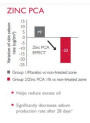
Zinc PCA
Vitamin B6 (Pyridoxine Hydrochloride)

Purified Water, TDS Limit 1PPM)
Mild Preserved Eco™ (Preservative-Free)
Tranexamic Acid (Trans-White™)
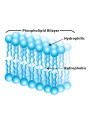
Phospholipid
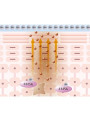
4MSK (Potassium Methoxysalicylate)
SelectSorb™ (High Oil Absorption PMMA)

Sebum-Reg™ (Capryloyl Glycine)
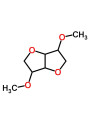
Dimethyl Isosorbide (DMI)
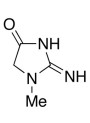
CosmoWhite™ (1-Methylhydantoin-2-Imide)
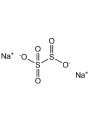
Sodium Metabisulfite (Germany)