Troubleshooting White Residue and Vitamin C Instability in a Gel Serum
Question
I am formulating a gel serum (30g batches) using the following ingredients:
- Vitamin C (L-Ascorbic Acid) 15%
- Vitamin B3 (Niacinamide) 4%
- Tea Tree Oil 3%
- AcneBee 3%
- Pro Polymer 1%
- Water (balance)
I encountered two issues:
- White residue/pilling: A slight white residue appears on the skin after application.
- Yellowing: The gel turns a very light yellow color quickly, even when mixed in small batches and used within a week.
I suspect the white residue issue was caused by accidentally adding too much Vitamin B3 due to a faulty scale. Could you please confirm the likely causes for both issues and provide suggestions for improving the formula, particularly regarding the Vitamin C instability and potential white residue?
Answer
Hello, regarding the gel formula you provided, along with the issue of white residue and the conversation snippet:
Regarding the White Residue:
Your conclusion that the white residue is likely due to accidentally adding too much Vitamin B3 (Niacinamide) because of a faulty scale is highly probable. High concentrations of Niacinamide, or if it's not fully dissolved or compatible with other ingredients in the formula, can lead to white residue or pilling on the skin as the gel dries.
Further Considerations for the Formula:
Besides the white residue issue, another crucial point to consider, as mentioned by cosmeceutical7, is the stability of Vitamin C (L-Ascorbic Acid or LAA) at 15% concentration in this formula.
- LAA Instability: L-Ascorbic Acid is a highly effective form of Vitamin C but is extremely unstable in water-based formulations, especially when exposed to air, light, and heat. The rapid appearance of a slight yellow color, even when mixing small batches for use within a week, is a clear sign that the LAA is undergoing oxidation and degrading. This significantly reduces its efficacy.
- Combining LAA and Niacinamide: While concerns about the formation of Niacin (which can cause skin flushing) from combining LAA and Niacinamide are less prevalent now, formulating these two together still requires careful consideration of appropriate pH. LAA is most stable at very low pH (around 2.5-3.5), while Niacinamide is stable at a pH of approximately 5-7. Trying to stabilize both in the same formula is challenging, and the very low pH required to stabilize LAA can cause skin irritation.
Suggestions for Improving the Formula:
- Address White Residue: Ensure the correct amount of Niacinamide (4%) is used and that it is fully dissolved in water until clear before adding other ingredients. If the problem persists, you may need to consider the total concentration of water-soluble ingredients or compatibility with the gelling agent (Pro Polymer).
- Improve Vitamin C Stability:
- Adjust pH: If you wish to continue using L-Ascorbic Acid, you may need to significantly lower the formula's pH to improve LAA stability. However, be mindful of potential skin irritation and possible incompatibility with Niacinamide at this pH.
- Use More Stable Vitamin C Derivatives: Consider switching to Vitamin C derivatives that are more stable in water than LAA, such as Sodium Ascorbyl Phosphate (SAP), Magnesium Ascorbyl Phosphate (MAP), Ascorbyl Glucoside, etc. These can be used in formulations with higher pH and are generally compatible with Niacinamide.
- Change Formulation Type: If you want to use LAA at a high concentration, consider formulating it in an anhydrous (water-free) base, such as a silicone base or oil, to maintain LAA stability.
- Overall Compatibility: This formula contains several active ingredients at relatively high concentrations (Vitamin C 15%, B3 4%, Tea Tree Oil 3%, AcneBee 3%). Combining these with a gelling agent (Pro Polymer 1%) may require careful balancing of the formula to ensure the gel is stable, does not separate, and does not leave residue or pill on the skin.
In summary, the white residue issue is likely due to excess Niacinamide, but a more significant long-term issue with this formula is the instability of L-Ascorbic Acid 15%. Improving the formula by focusing on enhancing Vitamin C stability or choosing a stable Vitamin C derivative will help ensure the formula's efficacy and shelf life.
Related Products Mentioned
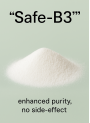
Safe-B3™ (Vitamin B3, Niacinamide)
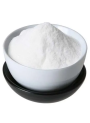
Vitamin C (L-ascorbic acid) (Fine)
Tea Tree Oil (Water Soluble)