Two-Layer Tint Formulation with Oil Base and Water-Soluble Color
Question
I am formulating a two-layer tint product using an oil base, specifically Avocado Oil. When left standing, the product separates clearly into an oil layer and a colored layer. Is it correct that I should use a water-soluble color for this type of formulation to achieve this separation? How is a two-layer tint typically formulated?
Answer
Two-Layer Tint Formulation
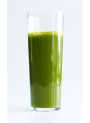
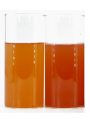
To create a two-layer tint product like the one pictured, you need to formulate a system with two immiscible phases: an oil phase and a water phase. These two phases will naturally separate when the product is left standing.
- Oil Phase: This layer typically consists of oils, such as Avocado Oil (Refined), and potentially other oil-soluble ingredients.
- Water Phase: This layer consists primarily of water and water-soluble ingredients.
When you shake the product, the two phases are temporarily mixed, allowing you to apply a combination of the oil and water components.
Regarding the color, you are correct. If the base is oil and it separates clearly from the color layer, water-soluble colors are indeed suitable for coloring the water phase. These colors will dissolve in the water layer but remain separate from the oil layer when settled.
We have several Natural Water Soluble Colors available, such as Pumpkin, Strawberry, Tomato, Dragon Fruit, and Spinach extracts, which can be used to add color to the water phase of your tint formulation.
Related Products Mentioned
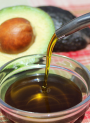
Avocado Oil (Refined)
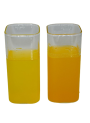
Pumpkin Natural Water Soluble Color
Strawberry Natural Water Soluble Color
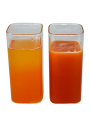
Tomato Natural Water Soluble Color