Underarm Cream Formulation: Whitening, Sweat & Odor Control, Staining, and Breastfeeding Safety
Question
I want to formulate an underarm cream with the following ingredients: Alpha Arbutin (Switzerland), Licorice Extract (Licochalcone A 1%), Coenzyme Q10, Anti-Sweat™ (Aluminum Chlorohydrate), Orange Flower Extract, SmellSorbs™ (Zinc Ricinoleate 30% Solution), LipidSoft™ Deo (Triethyl Citrate), and Mild Preserved Eco™.
I need guidance on the appropriate usage percentages for each ingredient to achieve whitening, sweat reduction, and odor control. Specifically, what is the recommended usage rate for Mild Preserved Eco™ in this type of formula?
I am also concerned about potential yellow staining on clothing from Anti-Sweat™ and whether this formulation is safe for use by breastfeeding mothers.
Could you provide formulation tips, including considerations for the cream base and pH?
Answer
Underarm Cream Formulation Guidance
Here is guidance on creating an underarm cream formulation using the ingredients you listed, focusing on whitening, sweat reduction, and odor control, while addressing your concerns about staining and suitability for breastfeeding mothers.
Ingredient Functions and Recommended Usage Rates
Based on the product descriptions, here are the functions and recommended usage rates for each ingredient you listed:
- Alpha Arbutin (Switzerland): Skin whitening. Recommended usage: 0.2-2% (up to 2% for best whitening).
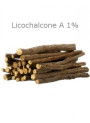
- Licorice Extract (Licochalcone A 1%): Reduces inflammation, irritation, and oiliness. Not for whitening. Recommended usage: 0.5-3% (0.5-1.0% for reducing oiliness/inflammation).
- Coenzyme Q10: Antioxidant, anti-aging. Recommended usage: 0.01-0.5%.
- Anti-Sweat™ (Aluminum Chlorohydrate): Antiperspirant (reduces sweat) and deodorant (antibacterial). Recommended usage: 5-25% (FDA maximum 25%).
- Orange Flower Extract: Natural fragrance. Recommended usage: 0.5-5%.
- SmellSorbs™ (Zinc Ricinoleate 30% Solution): Absorbs body odor. Recommended usage: 1-4%.
- LipidSoft™ Deo (Triethyl Citrate): Emollient and deodorant (inhibits odor-causing enzymes). Recommended usage: 1-5%.
- Mild Preserved Eco™: Antimicrobial/preservative and helps control odor-causing bacteria. Recommended usage: 0.5-2.0% (1.0-1.5% for deodorant formulas, up to 2.0% for difficult formulas).
To ensure safety and effectiveness, always use these ingredients within their recommended percentage ranges.
Addressing Your Concerns
- Usage Percentage for Mild Preserved Eco™: For a deodorant formula like the underarm cream you are planning, the recommended usage rate for Mild Preserved Eco™ is 1.0-1.5%. You can use up to 2.0% if your formula contains many natural ingredients or is prone to microbial contamination.
- Staining: Aluminum Chlorohydrate, a common antiperspirant ingredient found in Anti-Sweat™, is known to potentially cause yellow stains on clothing when it reacts with sweat. The other odor control ingredients you listed, SmellSorbs™ (Zinc Ricinoleate) and LipidSoft™ Deo (Triethyl Citrate), work differently and are less likely to cause staining compared to aluminum-based antiperspirants.
- Suitability for Breastfeeding Mothers: The product descriptions do not provide specific safety information for breastfeeding mothers. While these ingredients are generally considered safe for topical use within recommended concentrations, it is always best for pregnant or breastfeeding individuals to consult with a healthcare professional before using any cosmetic product or ingredient to ensure it is appropriate for their specific situation.
Formulation Tips
- Cream Base: You will need a suitable cream base, including emulsifiers and thickeners (which were not on your list). Since Anti-Sweat™ (Aluminum Chlorohydrate) is highly electrolyte-rich, ensure your chosen emulsifier can tolerate electrolytes to maintain a stable cream texture.
- pH Level: The pH of your final cream is important for ingredient stability and effectiveness.
- Anti-Sweat™ works best at pH 4-6.
- Alpha Arbutin and Licorice Extract are stable at pH 3.5-6.5.
- Mild Preserved Eco™ works at pH 4-9.
- SmellSorbs™ (Zinc Ricinoleate) is most stable at pH 7.5-11.
Achieving an optimal pH that suits all ingredients might be challenging, especially with Zinc Ricinoleate's preference for a higher pH. You may need to prioritize functions or consider alternative odor control agents that are more compatible with a lower pH. LipidSoft™ Deo works by inhibiting enzymes and might be more suitable for a lower pH formula than Zinc Ricinoleate.
- Mixing: Follow the specific mixing instructions for each ingredient, such as adding Alpha Arbutin and Coenzyme Q10 at lower temperatures. Coenzyme Q10 is oil-soluble and needs to be incorporated into the oil phase or a suitable solvent.
- Testing: Always perform a small test batch first to check for stability, texture, and compatibility before making a larger quantity.
Creating a stable and effective formulation requires careful balancing of ingredients and understanding their properties. By following the recommended usage rates and considering the compatibility notes, you can develop a suitable underarm cream.
Related Products Mentioned
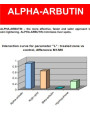
Alpha Arbutin (Switzerland)

Coenzyme Q10 (98%, Powder, Oil-Soluble)
Mild Preserved Eco™ (Preservative-Free)