Understanding Cosmetic Ingredients and Their Functions
Question
Could you please explain the ingredients in the following list and their functions?
- lepidium sativum sprout extract
- Caprylic/capric triglyceride
- Glycerin
- phytol
- Hydrolyzed Milk Protein
- Propylene Glycol
- bis-peg/ppg-16/16peg/ppg-16/16Dimethicone
- Cyclopentasiloxane
- Fragrance
- Hydrolyzed Soy Protein
- glycyrrhiza glaba root extract
- Butyrospermum Parkii (shea butter)
- Simmondsia Chinensis (jojoba) seed oil
- sucrose dilaurate
- Butylene Glycol
- Sclerotium Gum
- Cyclohexasiloxane
- Polysorbate 20
- ammonium acryloyl dimethyl taurate vp copolymer
- Xanthan Gum
- palmitoyl pentapeptide-4
- dipeptide diaminobutyroyl benzylamide diacetate
- chlorphenesin
- bht
- Disodium EDTA
- pisum sativum (pea)extract
- Caprylyl Glycol
- hydroxyethycellulose
- Hydrolyzed Algin
- arbutin
- p-Anisic Acid
- Sorbic Acid
- sea water
- Chlorella vulgaris extract
- Carbomer
- linolenic acid
- Glutathione
- linOleic Acid
- CI19140
- Ascorbyl Palmitate
- CI42090
Answer
Understanding Your Cosmetic Ingredient List
You've provided a list of ingredients, likely from a cosmetic product. This list contains a mix of emollients, humectants, silicones, plant extracts, peptides, and other functional ingredients. Here's a breakdown of some of the key active ingredients and their potential benefits based on the information available:
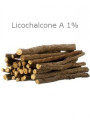
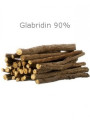
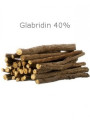
Glycyrrhiza Glabra Root Extract (Licorice Extract): This extract is known for its soothing and anti-inflammatory properties. Certain components, like Glabridin, are also recognized for their skin brightening effects by inhibiting melanin production. Licochalcone A, another component, helps reduce irritation and control oiliness.
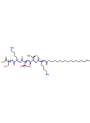
Palmitoyl Pentapeptide-4: This is a type of peptide often used in anti-aging formulations. Research suggests it can help reduce the appearance of wrinkles, improve skin elasticity, and support the skin's barrier function.
Arbutin: Specifically Alpha Arbutin, this ingredient is widely used for skin brightening. It works by reducing the activity of tyrosinase, an enzyme involved in melanin production, helping to fade dark spots and improve overall skin tone. It is considered a safer alternative to hydroquinone.
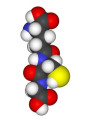
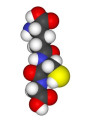
Glutathione: A powerful antioxidant, Glutathione can help protect the skin from oxidative stress. It is also known for its skin whitening properties through its antioxidant action.
Ascorbyl Palmitate: This is an oil-soluble form of Vitamin C. It functions as an antioxidant and can help stimulate collagen production. While it has antioxidant benefits, it is generally considered less effective for skin whitening compared to other forms of Vitamin C.
Other ingredients in the list serve various functions such as emollients (Caprylic/Capric Triglyceride, Butyrospermum Parkii Butter, Simmondsia Chinensis Seed Oil), humectants (Glycerin, Propylene Glycol, Butylene Glycol), silicones (Dimethicone, Cyclopentasiloxane, Cyclohexasiloxane), thickeners/stabilizers (Sclerotium Gum, Xanthan Gum, Hydroxyethylcellulose, Carbomer), emulsifiers (Polysorbate 20, Sucrose Dilaurate), preservatives (Chlorphenesin, p-Anisic Acid, Sorbic Acid, Caprylyl Glycol), and colorants (CI19140, CI42090).
This combination of ingredients suggests a product aimed at addressing multiple skin concerns, including signs of aging, uneven skin tone, and potentially soothing irritation.
Related Products Mentioned
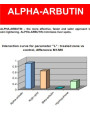
Alpha Arbutin (Switzerland)
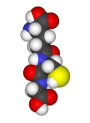
Glutathione (L-Glutathione) (Extrasol)
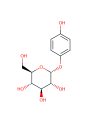
Alpha Arbutin (China, Crystal Form)