Understanding Deodorant Formulations and Ingredients
Question
I have two deodorant formulas I'm working on and need some clarification.
- Could you explain the function of
Methocel f4m(HPMC) in cosmetic formulations? For the first formula:
- Water
- Ammonium alum
- PEG400
- Methocel f4m
- Propylene Glycol
How can I mix this formula to get a clear, non-viscous liquid texture?
For the second formula:
- Aqua
- Potassium alum
- Propanediol (1,3-Propanediol)
- Magnesium chloride
- Triethyl citrate (LipidSoft™ Deo)
- Xanthan Gum
- Sodium Bicarbonate
- Galactoarabinan (Water-Film™)
- Sodium anisate
Could you explain the function of these ingredients?
- Also, what is
Sodium anisateand what alternatives are available?
Answer
Understanding Deodorant Ingredients and Formulation
Methocel f4m is a trade name for Hydroxypropyl Methylcellulose (HPMC). It primarily functions as a thickener and gelling agent in cosmetic formulations. HPMC is a naturally derived ingredient that helps create desired textures, from thin liquids to thick gels, and can improve formula stability, especially in products containing electrolytes.
Deodorant Formula 1 Analysis
The first deodorant formula you provided includes:
- Water: The main base and solvent.
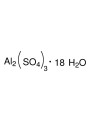
- Ammonium alum: Alum, acts as an antiperspirant by reducing sweat and a deodorant by controlling odor-causing bacteria.
- PEG400 (Polyethylene Glycol 400): A solvent and humectant that helps dissolve other ingredients and keeps the skin moisturized.
- Methocel f4m (Hydroxypropyl Methylcellulose): Provides thickening and gelling properties. Using a low concentration will result in a less viscous, more liquid texture.
- Propylene Glycol: Functions as a solvent, humectant, and enhances the absorption of other ingredients.
Mixing Instructions for Formula 1 (Clear, Non-Viscous Liquid):
To achieve a clear, non-sticky liquid, it's crucial to use HPMC at a low percentage. The mixing method depends on the specific type of HPMC (Methocel f4m) you have:
- Prepare the Water Phase: Combine Water, Ammonium alum, PEG400, and Propylene Glycol. Stir until all ingredients are fully dissolved.
- Incorporate HPMC:
- If using ColdMix HPMC: Slowly sprinkle the HPMC powder onto the surface of the water phase while stirring vigorously or blending with a high-speed mixer. Continue mixing until the HPMC is fully dispersed and the desired slight thickening is achieved.
- If using standard HPMC (requires heat dispersion): Heat about one-third of the total water to 80-90°C. Slowly sprinkle the HPMC powder into the hot water while stirring until it is fully dispersed (it will look cloudy). Then, add this hot dispersion to the remaining cold water phase (containing the other dissolved ingredients) and continue stirring or blending until a clear, homogeneous liquid or very thin gel is formed.
Ensure all ingredients are fully dissolved and the mixture is clear before concluding the process.
Deodorant Formula 2 Analysis
The second deodorant formula is also water-based and features several active and functional ingredients:
- Aqua: Water, the primary solvent.
- Potassium alum: Similar to Ammonium alum, acts as an antiperspirant and deodorant.
- Propanediol (1,3-Propanediol): A solvent and humectant, often used as a natural alternative to Propylene Glycol. It can also boost preservative efficacy.
- Magnesium chloride: A salt that may contribute to odor control or skin conditioning.
- Triethyl citrate (LipidSoft™ Deo): A light emollient with deodorant properties. It works by inhibiting the enzymes produced by odor-causing bacteria without killing the bacteria itself.
- Xanthan Gum: A natural thickener and stabilizer, helping to create and maintain the formula's texture.
- Sodium Bicarbonate: Baking soda, can help neutralize odors and adjust the formula's pH.
- Galactoarabinan (Water-Film™): A film-forming ingredient that helps reduce transepidermal water loss (TEWL), providing moisture and potentially improving skin texture.
- Sodium anisate: A natural preservative ingredient.
For preservation, Phenoxyethanol SA (equivalent to Optiphen Plus) is a recommended broad-spectrum preservative alternative that is safe and effective.
Related Products Mentioned
Propylene Glycol (USP)
Sodium Bicarbonate

Phenoxyethanol SA (eq. Optiphen Plus)

Water-Film™ (Galactoarabinan)
LipidSoft™ Deo (Triethyl Citrate, TEC)
Polyethylene Glycol 400 (PEG-8)