Understanding Different Laureth Types and Their Properties
Question
Could you please explain the differences between various Laureth types, such as Laureth-4, Laureth-7, and Laureth-23? Specifically, how do their properties (like physical form, viscosity, and HLB value) differ, and how does this affect their suitability for different cosmetic formulations (e.g., oil cleansers, lotions, creams)? I'd like to understand which type is 'better' for specific applications.
Answer
Understanding Different Laureth Types
Laureth ingredients, such as Laureth-4, Laureth-7, and Laureth-23, differ based on the number of ethylene oxide units attached to the lauryl alcohol molecule. The number after "Laureth" indicates the average number of these units.
This structural difference significantly impacts their properties, particularly their physical form, viscosity, and HLB (Hydrophilic-Lipophilic Balance) value.
- Lower numbers (e.g., Laureth-4): Tend to be more liquid and have lower HLB values, making them more oil-soluble or suitable for oil-based systems.
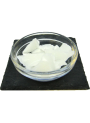
- Higher numbers (e.g., Laureth-23): Tend to be solid or wax-like and have higher HLB values, making them more water-soluble and effective as O/W (oil-in-water) emulsifiers.
Each type has specific applications in cosmetic formulations:
- Laureth-4: Often used in oil-based cleansing products like milk soaps or oil creams, where it helps oils emulsify with water upon contact. It is typically a clear liquid.
- Laureth-7: Acts as an emulsifier in lotions and creams. It is usually a clear liquid with a moderate HLB.
- Laureth-23: A solid emulsifier or binder suitable for lotions and creams, requiring heating to dissolve in the oil phase. It has a high HLB value.
As the staff correctly pointed out, no single Laureth type is "better" than another. The choice depends entirely on the desired properties of the final product and the specific formulation requirements.