Understanding Exfoliating Soaps and "Khikhai" Removal
Question
I'm interested in "exfoliating soaps" (สบู่ระเบิดขี้ไคล) that are advertised to remove "khikhai".
- What exactly are these types of soaps?
- How do they work to create and remove the visible "khikhai" (dead skin/grime)?
- What are the different types of exfoliation (chemical vs. physical) involved, and what are some common ingredients used for this effect?
- Are there any potential side effects or risks associated with using these soaps?
Answer
Exfoliating Soaps and "Khikhai" Removal
The advertising term "สบู่ระเบิดขี้ไคล" (exfoliating soap) generally refers to products designed to help remove dead skin cells from the skin's surface. The visible "ขี้ไคล" (grime/dead skin) that appears when rubbing the skin, especially after using certain soaps or scrubs, is often a combination of dead skin cells, dirt, and product residue that clumps together.
This effect is achieved through exfoliation, which can be broadly categorized into two main types:
Chemical Exfoliation: Uses chemical substances to loosen the bonds between dead skin cells, allowing them to shed more easily. Common ingredients include:
- Alpha Hydroxy Acids (AHAs): Such as Glycolic Acid and Lactic Acid. These work by dissolving the "glue" that holds dead skin cells together. Usage rates vary, but for cosmetic products, AHAs are typically used at concentrations up to 10% with a pH not lower than 3.5 (according to general guidelines, specific regulations may apply). Higher concentrations are used under medical supervision.
- Beta Hydroxy Acids (BHAs): Such as Salicylic Acid. This is oil-soluble, allowing it to penetrate pores and exfoliate within them, as well as on the skin surface. Salicylic Acid is commonly used in concentrations up to 2% in leave-on products and up to 3% in wash-off products like shampoos (for dandruff) or cleansers.
- Urea: At concentrations of 10-20%, Urea has keratolytic properties, helping to break down keratin and loosen dead skin cells. It also provides significant moisturization.
- Enzymes: Such as Protease enzymes, which break down proteins in dead skin cells, offering a gentler form of exfoliation.
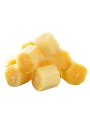
Physical Exfoliation: Uses small particles or a textured surface to physically buff away dead skin cells. Ingredients can include natural materials like Walnut Scrub or Sugarcane Scrub. The size and shape of the particles determine the intensity of the exfoliation. Usage rates for physical scrubs can range from 1% to 15% depending on the desired effect and the specific scrub material.
Potential Side Effects
Exfoliation, especially chemical exfoliation or vigorous physical scrubbing, can potentially cause side effects, including:
- Redness and irritation
- Dryness or peeling
- Increased sensitivity to sunlight (especially with AHAs/BHAs)
- Stinging or burning sensation
It is important to start with lower concentrations or less abrasive methods and observe how your skin reacts. Using exfoliating products too frequently or using multiple exfoliating products at once can damage the skin barrier and lead to increased sensitivity and irritation. Always follow the product's instructions and consider patch testing before applying to a large area.
If you have sensitive skin or a skin condition, it's advisable to consult with a dermatologist before using strong exfoliating products.
Updated Review: May 2026
This section was added after reviewing the original answer against current product availability and formulation knowledge at the stated point in time.
Update as of 2026-05-31: The main explanation is still valid: products advertised as “สบู่ระเบิดขี้ไคล” work by exfoliation, and the visible residue can include dead skin, dirt, and product residue. For current formulation, choose the exfoliant by irritation level and product format. MySkinRecipes currently has examples such as Salicylic Acid for BHA/comedolytic formulas, Glycopure™ for Glycolic Acid AHA formulas, Lactic Acid (AHA) Neutralized for a milder pH-adjusted AHA option, Urea for moisturizing/keratolytic formulas, Bio-S Protease™ for gentler enzyme exfoliation, and Walnut Scrub or Sugarcane Scrub for physical scrubs. Follow each ingredient’s current catalog usage range and the final product’s legal limit/pH requirement; for example, the current Glycopure™ guidance for consumer AHA use is stricter than the old general 10% note, so do not rely on the older number alone. Avoid combining strong acid exfoliation with aggressive scrubbing in the same product unless irritation testing supports it.
Related Products Mentioned
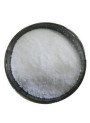
Salicylic Acid (BHA, Pharma Grade)
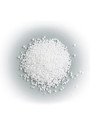
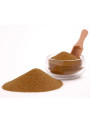
Urea (High Purity, Cosmetics, Powder)
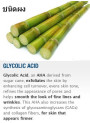
Glycopure™ (Glycolic Acid (AHA) Powder)