Understanding High Concentration Niacinamide (10%) in Serum Formulation
Question
I've seen products like Paula's Choice Resist 10% Niacinamide Booster which use Niacinamide at a concentration of 10%. This is higher than the commonly recommended maximum of 5%.
1. Why do some brands use such a high concentration?
2. Does using 10% Niacinamide provide significantly better results than 5%?
3. What factors, besides concentration, contribute to the effectiveness of such a formula (e.g., ingredient purity, other ingredients, formulation techniques)?
4. Is it possible to replicate the effectiveness of such a product, and what are the key considerations?
Answer
Understanding Paula's Choice 10% Niacinamide Booster
You've noticed that Paula's Choice has released a new product, the Resist 10% Niacinamide Booster, which uses a higher concentration of Niacinamide than the commonly cited maximum of 5%. You're wondering why this is the case and if you can replicate the formula.
Here's an explanation based on the product's ingredients and general formulation knowledge:
Niacinamide Concentration
While 5% Niacinamide is widely recognized as effective for many skin concerns, using a higher concentration like 10% is possible, especially with high-purity grades of Niacinamide that have very low levels of Niacin impurity. Niacin is the component that can cause skin flushing and irritation, particularly at higher concentrations. Using a highly purified Niacinamide minimizes this risk, allowing for higher inclusion rates. However, as the staff mentioned, doubling the concentration may not necessarily double the benefits, and the higher percentage could also be a marketing factor.
Formula Complexity and Replication
Replicating a sophisticated commercial formula like the Paula's Choice Resist 10% Niacinamide Booster is complex. Its effectiveness comes from the synergistic combination of multiple active ingredients, not just the Niacinamide concentration alone. The ingredient list reveals a blend of beneficial components aimed at improving skin barrier function, reducing hyperpigmentation, providing antioxidant protection, soothing the skin, and enhancing hydration.
Key ingredients found in this product that are available in our database include:
- Niacinamide (Vitamin B3): Known for reducing wrinkles, improving hyperpigmentation, strengthening the skin barrier, and controlling oil.
- Acetyl Glucosamine: Works with Niacinamide to address hyperpigmentation and can help stimulate hyaluronic acid production in the skin.
- Ascorbyl Glucoside (Stabilized Vitamin C): A stable form of Vitamin C with antioxidant and skin brightening properties.
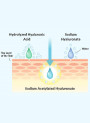
- Hyaluronic Acid: A powerful humectant that attracts and retains moisture in the skin.
- Allantoin: Provides soothing and anti-irritant benefits.
- Glycerin: A common and effective humectant.
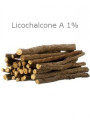
- Licorice Extract: Offers soothing and potential melanin inhibiting properties.
- Coenzyme Q10: An antioxidant that helps protect the skin from environmental damage.
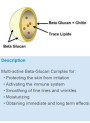
- Beta-Glucan: A soothing agent that can help strengthen the skin's immune response.
- Panthenol (Pro-Vitamin B5): A skin conditioning agent that helps with hydration and soothing.
- Carnosine: An antioxidant peptide with potential anti-glycation and skin-protective benefits.
- Soy Isoflavones (Genistein): Provide antioxidant and potential anti-aging effects.
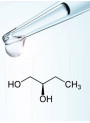
- Butylene Glycol: Acts as a solvent and slip agent.
- Phospholipids: Components that help support the skin barrier.
- Citric Acid and Sodium Citrate: Used as pH adjusters and stabilizers.
- Xanthan Gum: A common thickener used to create gel texture.
- Disodium EDTA: A chelating agent that improves formula stability.
- Ethylhexylglycerin and Phenoxyethanol: Used as preservatives.
The Role of Penetration Enhancers
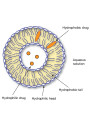
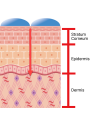
The staff's comment highlights a crucial aspect of formulation: ingredient delivery. Using a penetration enhancer like PE-1 Aqua can significantly improve the absorption of water-soluble active ingredients into the skin. They suggest that a formula with 5% high-purity Niacinamide combined with a penetration enhancer might yield better results than simply using 10% Niacinamide without one, as effective delivery is key to maximizing ingredient benefits.
Conclusion
While the 10% Niacinamide concentration in the Paula's Choice product is notable and achievable with high-purity ingredients, its overall performance is likely due to the comprehensive blend of active ingredients and potentially the formulation techniques used to enhance penetration. When creating your own formula, focusing on a synergistic combination of well-chosen ingredients and considering the use of penetration enhancers can be more impactful than solely maximizing the concentration of a single ingredient like Niacinamide.
Related Products Mentioned
Safe-B3™ (Vitamin B3, Niacinamide)

Allantoin
GlucoBright™ (Acetyl Glucosamine)
Glycerin (USP/Food Grade)
Phenoxyethanol (Extra Pure)
Disodium EDTA
Butylene Glycol
Sodium Hydroxide
Ethylhexylglycerin
Coenzyme Q10 (98%, Powder, Oil-Soluble)

PE-1 Aqua
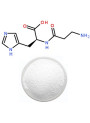
L-Carnosine