Understanding Ingredients and Properties in a Cosmetic Formulation
Question
Please explain the function and properties of the following ingredients in a cosmetic formulation:
Water/Aqua/Eau, Cyclopentasiloxane, Cyclohexasiloxane, Methyl Methacrylate Crosspolymer, Butylene Glycol, PEG-10 Dimethicone, Trimethylsiloxysilicate, sodium chloride, Cetyl PEG/PPG-10/1 Dimethicone, 1,2-Hexanediol, aluminum hydroxide, Amyl Cinnamal, Benzyl Salicylate, convallaria majalis bulb/root extract, Dimethicone/vinyl Dimethicone Crosspolymer, Disodium EDTA, Disteardimonium Hectorite, Ethylhexylglycerin, Geraniol, Glycyrrhiza Glabra (licorice) root extract, Helianthus Annuus (Sunflower) Seed Oil, Hexyl Cinnamal, hydroxyCitronellal, leontopodium alpinum flower/leaf extract, lilium candidum flower extract, Limonene, Linalool, Magnolia liliflora flower extract, Mangifera Indica (Mango) Seed Butter, Olea Europaea (olive) fruit oil, paeonia lactiflora root extract, parfum/Fragrance, Phenoxyethanol, Tocopherol, triethoxycaprylylsilane, Triethyl citrate, Butyrospermum Parkii (shea) butter, ulmus davidiana root extract. (+/-): Titanium Dioxide (CI 77891), Iron Oxides (CI 77491, CI 77492, CI 77499).
Answer
Key Ingredients and Their Functions
Based on the ingredients you provided and the information from our database, here is a breakdown of some of the key components and their functions in a cosmetic formulation:
- Cyclopentasiloxane: This is a lightweight silicone that evaporates quickly. It's commonly used in cosmetics to help deliver active ingredients to the skin and provide a soft, smooth, non-sticky feel. It's suitable for use in skin creams and hair conditioners but cannot be used in water gels.
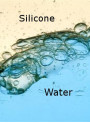
- PEG-10 Dimethicone: This ingredient, found in products like SiliSolve™, acts as a binder between water and silicone. It's used to create serums or creams, particularly water-in-silicone or water-in-oil emulsions. It can help create a thick texture depending on the water ratio and is compatible with various silicones and some glycols.
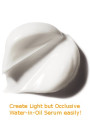
- Cetyl PEG/PPG-10/1 Dimethicone: Found in Water-in-Oil EZ™, this is another emulsifier that binds water to oil in a water-in-oil emulsion. It helps create a soft, smooth texture and provides good surface coating. This type of emulsion is suitable for dry skin, night creams, or formulas needing water resistance and durability, such as foundations, concealers, and sunscreens. It works well in formulas containing electrolytes.
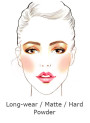
- Trimethylsiloxysilicate: This silicone film former helps make makeup long-lasting and waterproof. It's available in different forms (powder or liquid) with varying film hardness and wear properties (comfort-wear, very long-wear, smart-wear). It's typically used in makeup products like foundations and lip products and is mixed into silicone or hydrocarbon bases like Isododecane.
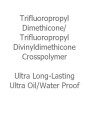
- Trifluoropropyl Dimethicone/Trifluoropropyl Divinyldimethicone Crosspolymer: This is a fluorosilicone that provides water and oil resistance. It's useful in long-lasting makeup formulas to prevent them from changing color or becoming gray when exposed to sweat. It can also be used to treat powders to make them water and oil resistant. It needs to be emulsified into formulas.
These ingredients contribute to the texture, feel, stability, and wear properties of the final product, particularly in formulations like foundations, serums, and creams that require specific sensory characteristics and performance benefits like long wear or water resistance.