Understanding Ingredients in a Cosmetic Formulation
Asked by: ann.thnchnk
On: September 04, 2019
Product Type:
Cosmetics
Answered
Question
Could you please explain the function and purpose of each ingredient in the following formulation?
INGREDIENTS:
- Aqua (Water)
- Caprylic/capric triglyceride
- Cetyl Alcohol
- Propanediol
- Stearyl Alcohol
- Glycerin
- Sodium Hyaluronate
- Arginine
- Aspartic Acid
- Glycine
- Alanine
- Serine
- Valine
- Isoleucine
- Proline
- Threonine
- Histidine
- Phenylalanine
- Glucose
- Maltose
- Fructose
- Trehalose
- Sodium PCA
- PCA
- Sodium Lactate
- Urea
- Allantoin
- Linoleic Acid
- Oleic Acid
- Phytosteryl Canola Glycerides
- Palmitic Acid
- Stearic Acid
- Lecithin
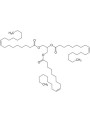
- Triolein
- Tocopherol
- Carbomer
- Isoceteth-20
- Polysorbate 60
- Sodium Chloride
- Citric Acid
- Trisodium Ethylenediamine Disuccinate
- pentylene glycol
- Triethanolamine
- Sodium Hydroxide
- Phenoxyethanol
- chlorphenesin
Answer
Understanding the Ingredients in Your Formulation
This formulation contains a blend of ingredients designed to moisturize, condition, stabilize, and preserve the product. Here's a look at the key components:
Base and Solvents
- Water (Aqua): Serves as the primary solvent and base for the formulation.
- Propanediol: Acts as a humectant to attract and retain moisture, a solvent for other ingredients, and can boost the effectiveness of preservatives.
- Pentylene Glycol: Functions as a solvent, helps bind water, and has antimicrobial properties that can enhance preservation.
Moisturizers and Skin Conditioners
- Caprylic/capric triglyceride (Fractionated Coconut Oil): A lightweight emollient that softens and smooths the skin. It also works as a carrier oil for other ingredients.
- Glycerin: A well-known humectant that draws moisture into the skin, contributing to a soft and smooth feel.
- Sodium Hyaluronate (Hyaluronic Acid): A powerful humectant that provides deep hydration to the skin.
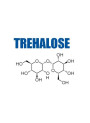
- Trehalose: A sugar that helps the skin retain moisture, enhances the skin barrier, and protects cells from stress.
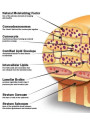
- Sodium PCA and PCA: These are part of the skin's Natural Moisturizing Factor (NMF), helping to balance hydration, prevent water loss, and improve skin texture and smoothness.
- Sodium Lactate: Another component of NMF, it helps retain moisture, can gently lighten skin, and has some antimicrobial properties.
- Urea: A highly effective moisturizer, especially for dry skin. It is also part of the skin's NMF and can help with exfoliation at higher concentrations.
- Allantoin: Known for its ability to reduce irritation, soothe the skin, and support the formation of new tissue.
- Linoleic Acid and Oleic Acid: These are fatty acids that nourish the skin, help maintain the skin barrier, and contribute to skin hydration and smoothness. Linoleic acid is particularly beneficial for very dry skin, while Oleic acid acts as an emollient and can help other ingredients penetrate the skin.
- Phytosteryl Canola Glycerides (Phytosterols): These plant-derived compounds help restore the skin's structure and barrier function, improve elasticity, and can stimulate collagen and hyaluronic acid production.
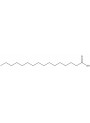
- Palmitic Acid and Stearic Acid: Common fatty acids used in creams and lotions for their emollient and thickening properties.
Amino Acids and Sugars
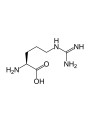
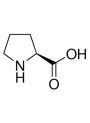
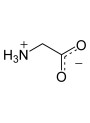
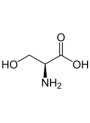
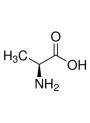
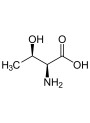
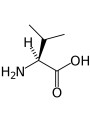
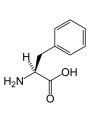
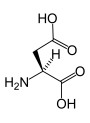
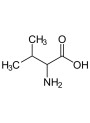
- Arginine, Aspartic Acid, Glycine, Alanine, Serine, Valine, Isoleucine, Proline, Threonine, Phenylalanine: These are amino acids, many of which are components of the skin's Natural Moisturizing Factors (NMF). A blend like Natural Moisturizing Amino Acids helps keep the skin hydrated and soft and can aid in wound healing.
- Glucose, Maltose, Fructose: These simple sugars likely function as humectants, helping to attract and hold moisture in the formulation and on the skin.
Emulsifiers, Stabilizers, and Thickeners
- Cetyl Alcohol and Stearyl Alcohol: Fatty alcohols that act as thickeners, stabilizers, and co-emulsifiers, helping to give creams and lotions their texture and preventing separation.
- Lecithin (Soy Lecithin): A natural co-emulsifier that helps blend oil and water phases in formulations like creams and lotions.
- Carbomer: A common gelling agent and thickener used to create gel textures or increase viscosity. It requires an alkaline ingredient like Triethanolamine or Sodium Hydroxide to activate its thickening properties.
- Isoceteth-20 and Polysorbate 60: These are surfactants and emulsifiers that help mix oil and water components and stabilize the formulation.
pH Adjusters
- Citric Acid: Used to adjust the pH of the formulation to be more acidic.
- Triethanolamine and Sodium Hydroxide: Alkaline ingredients used to increase the pH of the formulation, often used to neutralize gelling agents like Carbomer.
Preservatives and Chelating Agents
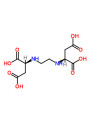
- Trisodium Ethylenediamine Disuccinate: A chelating agent that helps improve the stability and effectiveness of the formulation by binding with metal ions.
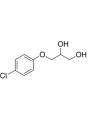
- Phenoxyethanol and Chlorphenesin: These are preservatives used to prevent the growth of bacteria, fungi, and other microorganisms, ensuring the product remains safe and stable over time. Phenoxyethanol is effective against bacteria, while Chlorphenesin has broad-spectrum antimicrobial properties and is often used in combination with other preservatives.
Other
- Sodium Chloride: Refined salt used in cosmetic production, often as a thickener or to adjust viscosity in certain formulations.
- Tocopherol (Vitamin E): An antioxidant that protects the formulation and the skin from damage caused by free radicals and UV exposure, contributing to anti-aging benefits.
Related Products Mentioned
Allantoin
Cosmetics
Vitamin E (dl-alpha tocopherol)
Cosmetics
Triethanolamine 99%
Cosmetics
Glycerin (USP/Food Grade)
Cosmetics
Sodium Lactate (60% Liquid, Natural)
Cosmetics
Urea (High Purity, Cosmetics, Powder)
Cosmetics
Phenoxyethanol (Extra Pure)
Cosmetics
Sodium PCA 50%
Cosmetics
Fractionated Coconut Oil
Cosmetics
Cetyl Alcohol
Cosmetics
TreMoisture™ (Trehalose)
Cosmetics
Sodium Hydroxide
Cosmetics
Carbomer 940 (EasyDisperse™, France)
Cosmetics
Purified Water, TDS Limit 1PPM)
Cosmetics
Palmitic Acid (98%, FEMA-2832)
Cosmetics
Pure-Phytosterols™
Cosmetics
Chlorphenesin
Cosmetics

Pentylene Glycol (Low-Odor)
Cosmetics
Oleic Acid (90%)
Cosmetics
L-Arginine
Cosmetics
L-Proline
Cosmetics
Glycine
Cosmetics
L-Serine
Cosmetics
L-Alanine
Cosmetics
L-Threonine
Cosmetics
L-Valine
Cosmetics
L-Phenylalanine
Cosmetics
L-Aspartic Acid
Cosmetics
L-Isoleucine
Cosmetics
Triolein
Cosmetics
Stearyl Alcohol
Cosmetics
Sodium Chloride (High Purity, 99.9%)
Cosmetics
Citric Acid (Anhydrous, Natural)
Cosmetics

Vitamin F Forte (Linoleic acid 78%)
Cosmetics

Vitamin F Max (Linoleic acid 95%)
Cosmetics
PCA (L-PCA, L-Pyroglutamic Acid)
Cosmetics