Understanding Ingredients in a Sunscreen/Makeup Formulation
Question
Please explain the function of the following ingredients in a cosmetic formulation:
- Cyclopentasiloxane (and) PEG/PPG-20/15 Dimethicone
- Octyldodecanol (and) Octydodecyl Xyloside (and) PEG-30 Dipolyhydroxystearate
- Dipentaerythrityl Tri-Polyhydroxystearate
- Caprylyl Methicone
- Octocrylene
- ETHYLHEXYL METHOXYCINNAMATE
- Bis-Ethylhexyloxyphenol Methoxyphenyl Triazine
- Polyethylene
- C20-C40 Acid (and) Polyethylene
- Caprylic/capric triglyceride
- Cyclopentasiloxane (And) Zinc Oxide (And) PEG-10 Dimethicone (And) Alumina (And) Methicone
- Cyclopentasiloxane (and) Titanium Dioxide (and) PEG-10 Dimethicone (and) Alumina (and) Methicone
- Cyclopentasiloxane (and) Dimethicone/Vinyl Dimethicone Crosspolymer
- Cyclopentasiloxane
- Disodium EDTA
- Sodium Chloride
- Butylene Glycol
- Phenoxyethanol (and) chlorphenesin (and) Glycerin
- Silica
Answer
Understanding the Ingredients in Your Formulation
This list of ingredients appears to be from a cosmetic product, likely a sunscreen or makeup product, given the combination of UV filters, silicones, and other common cosmetic components. Here's a breakdown of the roles some of these ingredients play:
UV Filters
These ingredients provide protection against ultraviolet (UV) radiation from the sun.
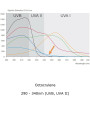
- Octocrylene: An organic filter that primarily protects against UVB and some UVA II rays.
- Ethylhexyl Methoxycinnamate (OMC): Another organic filter effective against UVB rays.
- Bis-Ethylhexyloxyphenol Methoxyphenyl Triazine (BEMT): A highly stable organic filter offering broad-spectrum protection against both UVA and UVB rays.
- Zinc Oxide: A physical filter that provides broad-spectrum protection against both UVA and UVB rays.
- Titanium Dioxide: Another physical filter that protects against UVB and short-wave UVA. Different forms are used for UV protection and cosmetic purposes (like providing coverage).
Silicones
Silicones are widely used in cosmetics to improve texture, spreadability, and feel on the skin.
- Cyclopentasiloxane: A lightweight, volatile silicone that provides a smooth, silky feel and helps carry other ingredients.
- Dimethicone: A non-volatile silicone that provides a smooth, slippery feel and can help form a protective barrier on the skin.
- Caprylyl Methicone: A light, fast-evaporating silicone that reduces stickiness and improves spreadability.
- PEG/PPG-20/15 Dimethicone: A water-soluble silicone that can provide a smooth feel in water-based formulas and help stabilize emulsions.
Texture Enhancers and Emollients
These ingredients contribute to the product's consistency, feel, and skin conditioning.
- Octyldodecanol: A fatty alcohol that acts as an emollient, making the skin feel soft and smooth.
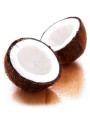
- Caprylic/capric triglyceride (Fractionated Coconut Oil): A lightweight emollient that helps moisturize the skin without feeling greasy.
- Polyethylene Wax: Used to provide structure, improve stability, enhance water resistance, and boost SPF in sunscreen formulations.
- Silica: Can be used to absorb excess oil, provide a matte finish, and improve the texture and glide of the product.
- Alumina: Often used in makeup products to improve texture and feel.
Preservatives
These ingredients help prevent the growth of microorganisms in the product.
- Phenoxyethanol and Chlorphenesin: Common preservatives used to protect cosmetic formulations from bacterial and fungal contamination.
Other Ingredients
- Disodium EDTA: A chelating agent that helps improve the stability and shelf life of the product by binding to metal ions.
- Sodium Chloride: Can be used as a thickener or to adjust the viscosity of formulations.
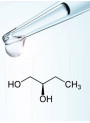
- Butylene Glycol and Glycerin: Humectants and solvents that help attract and retain moisture in the skin.
This combination of ingredients suggests a product designed to provide sun protection with a pleasant texture and finish.
Related Products Mentioned
Glycerin (USP/Food Grade)
Phenoxyethanol (Extra Pure)
Fractionated Coconut Oil
Disodium EDTA
Octocrylene
Butylene Glycol

MatteSilica 5™ (5 Micron)
Zinc Oxide 35nm Liquid
Caprylyl Methicone
Alumina (5micron, Spherical)

Titanium Dioxide Nanosil
Sodium Chloride (High Purity, 99.9%)