Understanding Retinyl Palmitate's Conversion and Benefits
Question
Could you please clarify how Retinyl Palmitate works in the skin, including its conversion pathway to Retinoic Acid and its benefits compared to other Vitamin A derivatives?
Answer
Understanding Retinyl Palmitate
Thank you for your question and the information you shared regarding Vitamin A derivatives. Based on the general understanding of Vitamin A metabolism in the skin and the details from our product descriptions, the information you found is accurate.
Retinyl Palmitate, including the Vitamin A Palmitate we offer (Product ID 192), is an ester form of Vitamin A. For the skin to fully utilize its benefits, such as stimulating cell turnover and reducing wrinkles, it must undergo a conversion process:
Retinyl Palmitate --> Retinol --> Retinaldehyde --> Retinoic Acid
Retinoic Acid is the biologically active form of Vitamin A that directly interacts with skin cells to produce the most significant effects. Since Retinyl Palmitate is several steps away from Retinoic Acid in this conversion pathway, it is generally considered a milder form compared to Retinol (Product IDs 8288, 9221) or direct Retinoic Acid (like in HyaRetin™, Product ID 125422).
While it does need conversion, Retinyl Palmitate still offers valuable benefits in cosmetic formulations. Our product description highlights its:
- Antioxidant properties: Helps protect skin cells from damage.
- Ability to stimulate cell turnover: Though less potent than Retinol or Retinoic Acid, it still contributes to smoother skin over time.
- Moisturizing properties: As an ester, it helps support the skin barrier.
- Gentleness: It is less likely to cause irritation compared to stronger retinoids, making it suitable for sensitive skin.
Therefore, our Retinyl Palmitate functions in the same way as other Retinyl Palmitate products on the market, requiring conversion to Retinoic Acid for its primary effects. Its value lies in its gentleness and antioxidant benefits, making it a good option for those who cannot tolerate stronger forms of Vitamin A.
If you are looking for a more potent form of Vitamin A, you might consider Retinol or HyaRetin™ (Sodium Retinoyl Hyaluronate), which is an encapsulated form of Retinoic Acid designed for enhanced stability and penetration.
Related Products Mentioned
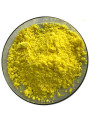
Retinol (100% Pure Powder)