Understanding Rose Hip Oil Oxidation and Verification
Question
I read somewhere about accelerating the oxidation of Rose Hip Oil to make it turn darker and smell stronger. Why would someone do this, and what does it mean for the oil's quality?
Answer
Explanation of Rose Hip Oil Oxidation
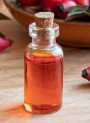
The text you read explains that oxidized or degraded rose hip oil has a darker color (golden-orange) and a rancid smell. This typically occurs due to improper storage or keeping the oil for too long.
The part about intentionally accelerating the oxidation process might seem counterintuitive, as accelerating degradation has no beneficial use for the oil itself. The staff's reply clarifies the reason behind this instruction:
Some sellers in the market mislead customers by claiming that high-quality, concentrated rose hip oil must have a dark, reddish-orange color and a strong smell. In reality, these characteristics are signs of oxidation and the oil losing its beneficial properties, not quality.
MySkinRecipes sells fresh rose hip oil, such as Rose Hip Oil (Virgin, Fresh) and Rose Hip Oil (Extra Virgin), which is lighter in color and has a less intense smell when fresh. Some customers, influenced by the misinformation from other sellers, might mistakenly believe this fresh oil is not authentic.
The instruction to expose the fresh oil to heat or sunlight is given as a method for customers to verify the authenticity of the fresh oil. By accelerating the oxidation, the customer can see that the fresh oil they purchased can indeed develop the dark color and strong smell associated with degraded oil, thereby confirming that it is genuine rose hip oil, even though it was sold in its optimal, fresh state.
In summary, you would not want to accelerate oxidation for any beneficial purpose; the instruction is purely for customer demonstration and verification against market misinformation.
Related Products Mentioned
Rosehip Oil (Virgin, Fresh)