Understanding Skincare Ingredients and Formulations for Skin Barrier Repair
Question
Based on the provided information about skin barrier repair, could you elaborate on the following points:
The optimal formula for retaining skin moisture and strengthening the skin barrier contains:
- Cholesterol
- Essential Fatty Acid (e.g., Linoleic Acid)
- Non Essential Fatty Acid (e.g., Stearic Acid)
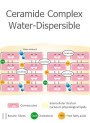
- Ceramide
in a ratio of3 : 1 : 1 : 1.
(Source: Optimal ratios of topical stratum corneum lipids improve barrier recovery in chronologically aged skin)
Products like Atopalm, which claim to help with the skin barrier but may not explicitly list the
3:1:1:1ratio, useMLE technology(Multi Lamella Emulsion). This technology incorporatesPseudo Ceramides(specifically mentioning the ingredientMyristoyl/palmitoyl oxostearamide/arachamide MEA, which is a US patentUS6221371B1from 2001 by Aekyung, South Korea) along with appropriate ratios of Cholesterol, Ceramide, and Fatty Acids. This technology stimulates the skin to produce new lipids to repair damaged barriers and improves absorption.The principle of good skin barrier reinforcement requires the presence of all components (Cholesterol, Essential Fatty Acid, Non Essential Fatty Acid, Ceramide) in the
3:1:1:1ratio to accelerate barrier strengthening.Using a single ingredient like Ceramide or Cholesterol alone might sometimes disrupt the skin barrier and worsen skin repair, potentially increasing water loss. Therefore, a cream containing only Ceramide does not always strengthen the skin barrier; using Ceramide alone can interfere with the barrier and increase water loss.
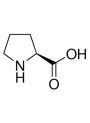
Other ingredients that can stimulate Ceramide production include Linoleic Acid, N-acetyl- L-hydroxyproline, and Niacinamide.
Could you confirm and expand on these points regarding skin barrier ingredients and formulations?
Answer
Sharing Knowledge: Skincare Ingredients for Skin Barrier
Repairing the skin barrier helps make skin strong and less prone to sensitivity and irritation.
- The formula that can retain the most water in the skin (supporting the skin barrier) is one containing Cholesterol, Essential Fatty Acid (e.g., Linoleic Acid), Non-Essential Fatty Acid (e.g., Stearic Acid), and Ceramide in a ratio of 3:1:1:1. This specific ratio accelerates the strengthening of the skin barrier.
- Using a single ingredient, such as only Ceramide or only Cholesterol, might sometimes disrupt the skin barrier and worsen skin repair, potentially increasing water loss. Therefore, simply using a cream with Ceramide does not always guarantee skin barrier strengthening; using Ceramide alone may interfere with the barrier and increase water loss.
- Products like Atopalm, which claim to help with the skin barrier but may not explicitly list the 3:1:1:1 ratio, often use MLE technology (Multi Lamella Emulsion). This technology incorporates Pseudo Ceramides (like Myristoyl/palmitoyl oxostearamide/arachamide MEA, a patented ingredient) along with appropriate ratios of Cholesterol, Ceramide, and Fatty Acids. MLE technology stimulates the skin to produce new lipids to repair damaged barriers and improves the absorption of ingredients.
- Other ingredients that can help stimulate Ceramide production include Linoleic Acid, N-acetyl-L-hydroxyproline, and Niacinamide.
Related Products Mentioned
Safe-B3™ (Vitamin B3, Niacinamide)
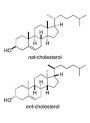
Cholesterol (95%, NF, Fine Powder)
Oleic Acid (90%)