Understanding the Ingredients in a Tinted Sunscreen/BB Cream Formulation
Asked by: paosk119
On: July 21, 2019
Product Type:
Cosmetics
Answered
Question
Could you please help me understand the function of each ingredient in the following formulation?
Active Ingredients:
- Zinc Oxide 13%
Inactive Ingredients:
- Water
- Tetradecane
- Cetearyl Nonanoate
- Ethylhexyl Palmitate
- Caprylic/capric triglyceride
- Isopropyl Palmitate
- Isopropyl Myristate
- Glycerin
- Polyglyceryl-3 Diisostearate
- Mica
- Propanediol
- Disteardimonium Hectorite
- Gluconolactone
- Polyglyceryl-6 Polyricinoleate
- Brassica Campestris/ Aleurites Fordi Oil Copolymer
- Propanediol
- Polyhydroxystearic acid
- Sodium Chloride
- Magnesium Sulfate
- Fructose
- Octyldodecyl Oleate
- Tocopherol
- Cocos Nucifera (Coconut) Fruit Extract
- Sodium benzoate
- Iron Oxides (CI 77492)
- Dodecane
- Hexadecane
- Titanium Dioxide (CI 77891)
- Withania Somnifera Flower Extract
- Iron Oxides (CI 77491)
- Vaccinium Angustifolium (Blueberry) Fruit Extract
- Silica
- Calcium Gluconate
Answer
Understanding the Ingredients in Your Formulation
Here is a breakdown of the ingredients found in your product formulation and their typical functions in cosmetic products:
Active Ingredient
- Zinc Oxide (13%): This is a key physical sunscreen ingredient that provides broad-spectrum protection against UVA and UVB rays. MySkinRecipes offers various types of Zinc Oxide, including Micronized Zinc Oxide and Ultra-Fine Zinc Oxide, as well as different forms of Titanium Dioxide which also serves as a physical sunscreen.
Inactive Ingredients
Base and Solvents
- Water: The primary base or solvent for the water-soluble ingredients.
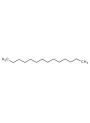
- Tetradecane, Dodecane, Hexadecane: These are light, non-greasy emollients (skin softeners) that can also function as solvents. Dodecane and Tetradecane are noted as natural alternatives to silicones like Cyclopentasiloxane and Isohexadecane, respectively.
Emollients and Skin Conditioners
- Cetearyl Nonanoate, Ethylhexyl Palmitate, Caprylic/capric triglyceride, Isopropyl Palmitate, Isopropyl Myristate, Octyldodecyl Oleate: This group of ingredients provides softness and smoothness to the skin. Ethylhexyl Palmitate (LipidSoft™ Palm), Caprylic/Capric Triglyceride (similar to Myritol 318 and found in Fractionated Coconut Oil), Isopropyl Palmitate (IPP), and Isopropyl Myristate are common emollients that help improve the texture and spreadability of the product. Octyldodecyl Oleate is another emollient ester; Octyldodecanol is a related fatty alcohol emollient offered.
Humectants
- Glycerin, Propanediol: These ingredients attract and hold moisture, helping to hydrate the skin. Glycerin (USP/Food Grade) and Propanediol (1,3-Propanediol, similar to Zemea) are effective humectants.
- Fructose: A sugar that can also act as a humectant, helping the skin retain moisture. Fructooligosaccharide (FOS) is a related conditioning agent.
Emulsifiers
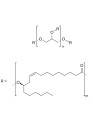
- Polyglyceryl-3 Diisostearate, Polyglyceryl-6 Polyricinoleate: These are emulsifiers that help to blend the oil and water phases of the formulation, creating a stable product like a cream or lotion. Polyglyceryl-3 Polyricinoleate (PGPR) and Polyglyceryl-6 Polyricinoleate are examples of such water-in-oil emulsifiers. Polyglyceryl-2 Diisostearate and Polyglyceryl-4 Oleate are other related emulsifiers.
Thickeners and Texture Modifiers
- Disteardimonium Hectorite: This ingredient acts as a thickener and rheology modifier, helping to stabilize the formula and provide a desirable texture, particularly in makeup formulations.
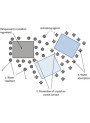
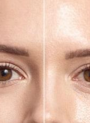
- Silica: Can be used for various purposes including thickening, absorbing oil (Anti-Caking Silica), or providing a blurring effect on the skin (UltraBlur™).
Exfoliant / Skin Conditioner
- Gluconolactone: A Polyhydroxy Acid (PHA) known for its gentle exfoliating properties and ability to provide hydration. Natural PHA (Gluconolactone) is a common form.
Pigments and Colorants
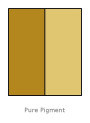
- Mica, Iron Oxides (CI 77492, CI 77491), Titanium Dioxide (CI 77891): These provide color to the formulation, making it a tinted product. Iron Oxides (Yellow and Red) and Titanium Dioxide are common cosmetic pigments. Mica is often used for texture and shimmer. MySkinRecipes offers various types of Mica Powder and Iron Oxides (like EasyMix™ and FoundationPro™ types) and Titanium Dioxide.
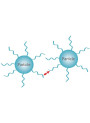
- Polyhydroxystearic acid: This ingredient helps to disperse pigments and physical sunscreen particles evenly in the formulation, which can also boost SPF/PA values in sunscreens.
Salts and Minerals
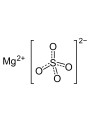
- Sodium Chloride, Magnesium Sulfate, Calcium Gluconate: These are salts and minerals that can play roles in stabilizing emulsions (especially Magnesium Sulfate in water-in-oil formulas) and providing minerals to the skin (Calcium Gluconate). Sodium Chloride is high purity salt.
Antioxidant
- Tocopherol: This is Vitamin E, an antioxidant that helps protect the formula and the skin from damage caused by free radicals.
Plant Extracts
- Cocos Nucifera (Coconut) Fruit Extract, Withania Somnifera Flower Extract, Vaccinium Angustifolium (Blueberry) Fruit Extract: These are botanical extracts that can provide various benefits such as conditioning, antioxidant properties, or other skin benefits depending on the specific extract. Coco-Preserve™ is a preservative derived from Coconut Fruit Extract.
Preservative
- Sodium Benzoate: A common preservative used to prevent microbial growth in cosmetic formulations.
This combination of ingredients suggests a water-in-oil emulsion formulation, likely a tinted physical sunscreen or BB/CC cream, designed to provide sun protection, hydration, skin conditioning, and color correction.
Related Products Mentioned
Vitamin E (dl-alpha tocopherol)
Cosmetics
Glycerin (USP/Food Grade)
Cosmetics
Fractionated Coconut Oil
Cosmetics
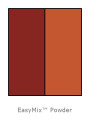
Red Iron Oxides EasyMix™
Cosmetics
Zinc Oxide (Micronized)
Cosmetics

LipidSoft™ Palm (Ethylhexyl palmitate)
Cosmetics
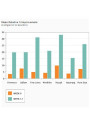
Natural PHA (Gluconolactone)
Cosmetics
Disteardimonium Hectorite
Cosmetics
Polyglyceryl-3 Polyricinoleate (PGPR)
Cosmetics
Isopropyl Myristate (Deodorized)
Cosmetics
Anti-Caking Silica
Cosmetics
Titanium Dioxide Nanosil
Cosmetics
Polyhydroxystearic acid
Cosmetics
Fructooligosaccharide (FOS)
Cosmetics
Isopropyl Palmitate (IPP)
Cosmetics
Sodium Chloride (High Purity, 99.9%)
Cosmetics
Polyglyceryl-2 Diisostearate
Cosmetics
Polyglyceryl-6 Polyricinoleate
Cosmetics
UltraBlur™ (Skin Blurring Silica)
Cosmetics
Iron Oxides Yellow (FoundationPro™)
Cosmetics