Understanding Tranexamic Acid: Forms, Usage, Side Effects, and Formulation
Question
Understanding Tranexamic Acid
Please provide a detailed explanation about Tranexamic Acid, covering the following aspects:
- What type of substance is it?
- How does it work?
- What are its common uses in cosmetics (e.g., creams, lotions, serums, gels)?
- What are the different forms available, such as
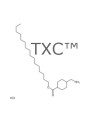
TXC™ (Cetyl Tranexamate HCl)andNano-TXA™ (Tranexamic Acid Nano Emulsion, Penetration Base), and how do they differ in properties like absorption and solubility? - What are the recommended usage rates and any regulatory considerations (e.g., concentration limits in cosmetics vs. medication)?
- What are the potential side effects and precautions when using it?
- How should different forms (standard, Nano-TXA, TXC) typically be mixed into a formulation (e.g., water phase, oil/glycol phase, heat requirements)?
Answer
Understanding Tranexamic Acid in Skincare
Tranexamic Acid is a popular ingredient in skincare, primarily known for its skin brightening properties and ability to reduce the appearance of dark spots and blemishes, particularly those caused by sun exposure.
How it Works
Tranexamic Acid works by helping to reduce the formation of melanin pigment in the skin, which is responsible for dark spots and uneven skin tone.
Forms and Related Ingredients
Besides standard Tranexamic Acid, there are also enhanced versions available:
- TXC™ (Cetyl Tranexamate HCl): This form is designed for better absorption into the skin compared to standard Tranexamic Acid. It was developed by Chanel and is recognized as a Quasi-drug in Japan.
- Nano-TXA™ (Tranexamic Acid Nano Emulsion, Penetration Base): This is Tranexamic Acid delivered in a nano-emulsion form, which can significantly enhance its penetration into the skin. This base can also help improve the delivery of other water-soluble active ingredients.
Usage in Cosmetics
Tranexamic Acid is commonly used as a whitening agent in various cosmetic formulations such as creams, lotions, serums, and gels.
Usage Rate and Regulations
In many regions, including ASEAN countries, the use of Tranexamic Acid in cosmetics is permitted at concentrations of up to 3%. If a product contains more than 3%, it may need to be registered as a medication for treating melasma. It is generally advised not to use concentrations exceeding 5% as this may lead to skin irritation.
Potential Side Effects and Precautions
While generally well-tolerated, using high concentrations of Tranexamic Acid (above 5%) can potentially cause skin irritation. It should also be avoided around the eyes and lips.
Mixing Instructions (General)
- Standard Tranexamic Acid and Nano-TXA™ are typically mixed into the water phase of a formulation and can dissolve directly in water.
- TXC™ is soluble in glycols (like Propylene Glycol, Butylene Glycol) or oil, often requiring heat (60-80°C) to dissolve, and is not soluble in water.
Related Products Mentioned
Tranexamic Acid (Trans-White™)