Uneven Skin Tone, Large Pores, and Ingredient Mixing
Question
I have issues with uneven skin tone and large pores. I have purchased cosmetic ingredients to address these concerns but am unsure how to mix them correctly. Could you provide guidance on the proper mixing procedure, especially regarding the solubility and compatibility of ingredients like Niacinamide, oil-soluble Vitamin C (e.g., Ascorbyl Tetraisopalmitate), and Salicylic Acid (BHA)?
Answer
Addressing Uneven Skin Tone and Large Pores
For uneven skin tone and large pores, several ingredients can be beneficial. Based on your concerns and the ingredients found, here are some options and general mixing tips:
Key Ingredients and Benefits
- Safe-B3™ (Vitamin B3, Niacinamide): This is excellent for improving uneven skin tone, reducing redness and hyperpigmentation, and helping with pore appearance by reducing oiliness. It also strengthens the skin barrier.
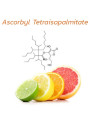
- Perfect-C™ (Ascorbyl Tetraisopalmitate): This oil-soluble Vitamin C derivative is effective for brightening the skin tone and acts as an antioxidant.
- Salicylic Acid (BHA): This ingredient helps to exfoliate the skin, clear clogged pores, and reduce oiliness, which can significantly improve the appearance of enlarged pores.
General Mixing Tips
Mixing cosmetic ingredients requires careful attention to solubility, pH, and compatibility. While specific instructions depend on your full formula, here are some general points for the ingredients mentioned:
- Safe-B3™ (Niacinamide): Typically water-soluble. It can be mixed into the water phase of your formulation. It is stable over a wide pH range (3-8, optimally 4-7).
- Perfect-C™ (Ascorbyl Tetraisopalmitate): This is oil-soluble. It should be mixed into the oil phase or added during the cooling phase of an emulsion. Ensure the final pH of your product is around 5.0-5.5. Avoid using it in the same formula with Vitamin B3 or Zinc PCA.
- Salicylic Acid (BHA): The standard powder form is not water-soluble and usually requires a solvent like Propylene Glycol or Butylene Glycol before being added to a water-based formula. There are also water-soluble forms available (like SalicSoft® or water-soluble powder types) which are easier to incorporate into water-based products. The usage rate is typically up to 2% for leave-on products.
Important: Always check the specific instructions and recommended usage rates provided by the supplier for each ingredient you purchased, as different forms or grades may have unique requirements. It is also crucial to ensure proper preservation and pH adjustment for the stability and safety of your final product.
If you have specific ingredients you purchased, providing their exact names or types would allow for more precise mixing guidance.
Related Products Mentioned
Safe-B3™ (Vitamin B3, Niacinamide)