Usage and Formulation of Lanolin, Hyaluronic Acid, and Encapsulated Retinol
Asked by: ning
On: June 26, 2018
Product Type:
Cosmetics
Answered
Question
I have purchased the following three ingredients and would like to know how to use them in cosmetic formulations, specifically:
- Recommended usage rate for each ingredient.
- Mixing method for each ingredient.
- General formulation tips for incorporating these ingredients into a base cream, lotion, or serum.
The ingredients are:
Lanolin (Sheep Wool Grease, Anhydrous, Deodorized)Hyaluronic Acid (Standard Molecule)Encapsulated Retinol (65K.IU/g)
Answer
Ingredient Usage Guide
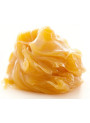
1. Lanolin (Sheep Wool Grease, Anhydrous, Deodorized)
- Recommended Usage Rate: 1-5%
- Mixing Method: Lanolin is an oil-soluble ingredient. It should be mixed into the oil phase of your formulation. It can withstand heat up to 80°C during the heating phase if your formula requires it.
- Benefits: Lanolin is a powerful emollient and moisturizer. It helps create a protective barrier on the skin to prevent moisture loss, making skin soft and smooth. It's great for dry, cracked skin and can be used in creams, lotions, and balms for both face and body.
2. Hyaluronic Acid (Standard Molecule)
- Recommended Usage Rate: 0.1-0.5%
- For normal or generally dehydrated skin: 0.05-0.1%
- For dry skin: 0.1-0.3%
- For very dry skin: 0.3-0.5%
- Mixing Method: This is a powder that dissolves in cold water. To dissolve it, add the powder to the water phase, close the container, and shake vigorously for 1-3 minutes. Then, refrigerate for at least 3 hours to allow it to fully dissolve. Check the texture; if not fully dissolved, shake and refrigerate again. It's important that the powder is completely dissolved before proceeding.
- Important Notes:
- The pH of your final formula should be between 3.0 and 9.0.
- The temperature should not exceed 70°C during formulation.
- You must include a preservative (such as Phenoxyethanol) in any formula containing Hyaluronic Acid in water, as bacteria can break down the molecule and cause the product to lose viscosity quickly.
- Benefits: Hyaluronic Acid is a humectant that draws moisture into the skin. The standard molecule size primarily hydrates the surface layers of the skin, helping to reduce the appearance of fine lines caused by dehydration and making the skin feel plump. It can be used in serums, gels, lotions, and creams.
3. Encapsulated Retinol (65K.IU/g)
- Recommended Usage Rate: 1-2%, with 2% being the recommended concentration for optimal anti-aging benefits.
- Mixing Method: This ingredient is water-soluble due to its encapsulation. It should be added to the water phase of your formulation.
- Important Notes:
- Encapsulated Retinol is more stable than traditional retinol but should still be protected from heat, air, and light as much as possible during the formulation process.
- It is primarily used for its anti-aging properties, helping to improve skin texture, reduce wrinkles, and promote a brighter complexion.
- Benefits: Retinol is a powerful anti-aging ingredient. The encapsulated form helps improve stability and delivery. It helps renew skin cells, reducing the appearance of fine lines and wrinkles and improving skin tone and texture.
General Formulation Tips
You can incorporate these ingredients into a base cream, lotion, or serum formulation.
- Start with a Base: Begin with a stable base formula (e.g., a simple lotion or cream base).
- Prepare Ingredients: Dissolve your Hyaluronic Acid powder in the water phase according to the instructions above. Mix your Lanolin into the oil phase if your base requires separate phases. Encapsulated Retinol can be added to the water phase.
- Combine Phases: Follow standard cosmetic formulation procedures for combining your water and oil phases (if applicable) to create your emulsion (lotion or cream).
- Add Actives: Once your base is formed and has cooled sufficiently (especially important for Retinol, keep temperature below 70°C, ideally lower when adding actives), gently incorporate the dissolved Hyaluronic Acid and Encapsulated Retinol into the mixture.
- Add Preservative: Remember to add a broad-spectrum preservative, especially since you are using Hyaluronic Acid in a water-based system.
- Adjust pH: Check and adjust the final pH of your product if necessary to be within the stable range for your ingredients (Hyaluronic Acid is stable between 3.0-9.0; check optimal pH for Retinol if possible, generally slightly acidic to neutral is preferred, but encapsulation helps).
- Storage: Store your finished products properly, often in opaque containers away from light and heat, especially for ingredients like Retinol.
For basic mixing techniques, you can refer to the link provided by the staff regarding fundamental mixing principles. Always practice good hygiene when making cosmetics at home.
Related Products Mentioned

Encapsulated Retinol (65K.IU/g)
Cosmetics