Using AHA and Rose Hip Oil in Formulations for Stretch Marks and Acne Marks
Question
I have questions about using certain ingredients in formulations for stretch marks and acne marks:
- Can other ingredients (presumably mentioned previously, but not detailed here) be mixed with AHA? Can they be used together, or should they be applied at different times?
- Regarding Rose Hip Oil, if used in a lotion formulation:
- Is there a percentage limit for inclusion?
- Will it make the product texture sticky/greasy if added at a high percentage?
- Can it be applied to the face? I am concerned about it causing acne.
Answer
Ingredients for Stretch Marks and Acne Marks
Based on your questions about white stretch marks and red/dark acne marks, and the suggestions provided, here is information on ingredients that can help:
For White Stretch Marks and Scar Repair
White stretch marks are older and more challenging to treat than red ones, as the tissue has already scarred. Ingredients that help stimulate collagen and repair the skin barrier are beneficial.
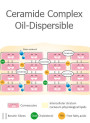
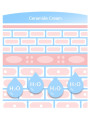
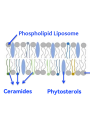
- Ceramide Complex: Helps restore the skin's moisture barrier, which is crucial for skin repair and strength. Products like Ceramide Complex (Water/Oil Dispersible Powder), Cera-Flux V (Water Dispersible Ceramide Complex, 3 Types), and Ceracare™ Liposome-3 (Liposome Ceramide Complex, 3 Types) can improve skin hydration and barrier function.
- Copper Peptide (GHK-Cu): Known for its ability to stimulate collagen synthesis and help repair damaged skin tissue, making it beneficial for scars and stretch marks. Copper Peptide (GHK-Cu, Copper Tripeptide-1) (1000ppm Solution) and Copper Tripeptide 10x (GHK-Cu, Copper Tripeptide-1) (10000ppm Solution) are examples.
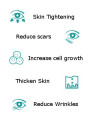
- Matrixyl 3000 (Pal-GHK, Pal-GQPR): A peptide blend that stimulates collagen and elastin production, helping to reduce the appearance of wrinkles and improve skin elasticity, which can aid in the repair of stretch marks.
For Red/Dark Acne Marks
Ingredients that help reduce inflammation, promote skin cell turnover, and inhibit melanin production are effective for post-inflammatory hyperpigmentation (red/dark marks).
- Vitamin B3 (Niacinamide): Helps reduce redness and hyperpigmentation by inhibiting melanin transfer. It also strengthens the skin barrier and has anti-inflammatory properties, which can help with acne marks. Safe-B3™ (Vitamin B3, Niacinamide) and Extreme-B3™ (Vitamin B3, Niacinamide, Highest Purity) are high-purity options.
- Copper Peptide (GHK-Cu): Also helps with acne scars and marks by promoting skin regeneration.
Regarding Rose Hip Oil
You asked about using Rose Hip Oil in lotion, its usage percentage, texture, and suitability for facial use.
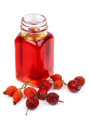
- Usage in Lotion: Rose Hip Oil (Virgin, Fresh) and Rose Hip Oil (Extra Virgin) can be used in lotion formulations. Natural oils can generally be used at concentrations from 1% up to 100% (if applied directly to the skin). For a lotion, the percentage would depend on the desired feel and the overall formula, but typical oil percentages in lotions vary widely. You would mix it into the oil phase of your emulsion.
- Texture (Stickiness): Whether Rose Hip Oil makes a lotion feel sticky or greasy depends on the percentage used and the other ingredients in the formulation. Higher percentages of oil will generally result in a richer, potentially heavier feel. The perception of stickiness is also subjective.
- Facial Application and Acne: Rose Hip Oil is often used on the face due to its beneficial fatty acids and skin-repairing properties. However, like any oil, it can potentially contribute to acne in individuals prone to breakouts. If you are concerned about acne, start with a low percentage in your formulation or test it on a small area first. The quality and freshness of the oil are also important.
Important Note on AHA
As mentioned in the previous reply, if you have active stretch marks (presumably red ones, though the user specified white ones), it is advised not to use AHA on them. For general use, combining ingredients with AHA requires careful consideration of the formula's pH, as different ingredients have optimal pH ranges for stability and efficacy. Always check the recommended pH range for each ingredient when formulating with AHA.
Related Products Mentioned

Pal-GHK, Pal-GQPR (eq Matrixyl 3000)
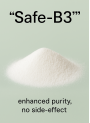
Safe-B3™ (Vitamin B3, Niacinamide)
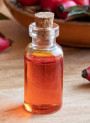
Rosehip Oil (Virgin, Fresh)