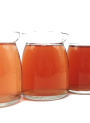
Using Beet Root Red Pigment in Aloe Gel and Color Stability without EDTA
Question
Hello. I would like to ask about using [url=http://www.myskinrecipes.com/shop/natural-color-%E0%B8%AA%E0%B8%B5%E0%B8%98%E0%B8%A3%E0%B8%A3%E0%B8%A1%E0%B8%8A%E0%B8%B2%E0%B8%95%E0%B8%B4/5871-beet-root-red-pigment-%E0%B8%AA%E0%B8%B5%E0%B9%81%E0%B8%94%E0%B8%87-%E0%B8%88%E0%B8%B2%E0%B8%81%E0%B8%9A%E0%B8%B5%E0%B8%97%E0%B8%A3%E0%B8%B9%E0%B8%97-%E0%B8%9C%E0%B8%87.html:3pjemg4t]Beet Root Red[/url:3pjemg4t] pigment to add color to [url=http://www.myskinrecipes.com/shop/%E0%B9%80%E0%B8%9A%E0%B8%AA%E0%B9%80%E0%B8%84%E0%B8%A3%E0%B8%B7%E0%B9%88%E0%B8%AD%E0%B8%87%E0%B8%AA%E0%B8%B3%E0%B8%AD%E0%B8%B2%E0%B8%87/188-aloe-vera-gel-base-%E0%B9%80%E0%B8%9A%E0%B8%AA-%E0%B8%AA%E0%B8%B3%E0%B8%AB%E0%B8%A3%E0%B8%B1%E0%B8%9A%E0%B8%9C%E0%B8%B4%E0%B8%A7%E0%B9%81%E0%B8%9E%E0%B9%88%E0%B8%87%E0%B9%88%E0%B8%B2%E0%B8%A2.html:3pjemg4t]Aloe Gel[/url:3pjemg4t] Base (Heavy). Is there a way to stabilize the color without using [url=http://www.myskinrecipes.com/shop/%E0%B8%AA%E0%B9%88%E0%B8%A7%E0%B8%99%E0%B8%9B%E0%B8%A3%E0%B8%B0%E0%B8%81%E0%B8%AD%E0%B8%9A%E0%B9%80%E0%B8%84%E0%B8%A3%E0%B8%B7%E0%B9%88%E0%B8%AD%E0%B8%87%E0%B8%AA%E0%B8%B3%E0%B8%AD%E0%B8%B2%E0%B8%87%E0%B8%84%E0%B9%8C/184-disodium-edta-2na.html:3pjemg4t]EDTA[/url:3pjemg4t]? Or are there other [url=http://www.myskinrecipes.com/shop/430-natural-color-%E0%B8%AA%E0%B8%B5%E0%B8%98%E0%B8%A3%E0%B8%A3%E0%B8%A1%E0%B8%8A%E0%B8%B2%E0%B8%95%E0%B8%B4:3pjemg4t]natural colors[/url:3pjemg4t] that are more stable and water-soluble? Thank you.
Answer
Using Beet Root Red Pigment in Aloe Vera Gel Base (Heavy)
To use Beet Root Red Pigment in Aloe Vera Gel (Heavy), you can directly mix the powder into the gel base. Since Beet Root Red Pigment is water-soluble, it will dissolve in the water phase of the gel. Add the powder gradually and stir thoroughly until it is completely dissolved and the color is uniform. The recommended usage rate is typically 0.1-1%, depending on the desired color intensity.
Important Consideration for Beet Root Red Pigment:
Beet Root Red Pigment is stable within a narrow pH range of 4-5. If the pH of the Aloe Vera Gel base is outside this range, the color may change or fade over time. You may need to check and adjust the pH of the final mixture if necessary, although adjusting the pH of a pre-made base can sometimes affect its stability or texture.
Stabilizing Color Without EDTA
EDTA is commonly used as a chelating agent to bind metal ions present in water, which can cause discoloration and instability in formulations, especially with natural colors. Without using Disodium EDTA or other chelating agents, the key to improving color stability is to use high-purity water, such as distilled or deionized water, to minimize the presence of metal ions.
However, even with pure water and maintaining the optimal pH (4-5 for Beet Root Red), natural colors like Beet Root Red are inherently less stable than synthetic dyes and may still be susceptible to fading from light, heat, and oxidation over time. Achieving long-term color stability without a chelating agent can be challenging.
Alternative Water-Soluble Natural Red Colors
While Beet Root Red Pigment is a natural red option, its stability is highly pH-dependent and sensitive to other factors. Other water-soluble natural color options that provide red or reddish tones include:
- Beta-Carotene Red Color: This provides an orange-red shade and is water-soluble. It can be sensitive to oxidation and light.
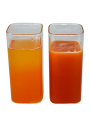
- Tomato Natural Water Soluble Color: Derived from tomatoes, this provides a red color and is water-soluble.
- Sorghum Red Water Soluble Color: Another water-soluble red color derived from sorghum extract.
- Red Cabbage Pigment: This pigment is also water-soluble but is extremely sensitive to pH, changing color significantly (pink/red at pH 3, grape at pH 4, blue at pH 5-7). It is less stable in a neutral or slightly alkaline environment.
Each natural color has its own stability characteristics and optimal conditions (like pH, light sensitivity, heat sensitivity). While these alternatives are available, they also present stability challenges compared to synthetic colors. Choosing the best option depends on the desired shade, the pH of your final product, and the required shelf life. Regardless of the natural color used, minimizing exposure to light and heat, using pure water, and potentially incorporating antioxidants can help improve stability, even without EDTA.
Related Products Mentioned
Disodium EDTA
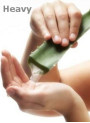
Aloe Vera Gel (Heavy)
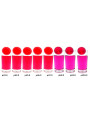
Tomato Natural Water Soluble Color