Using Copper Peptide (GHK-Cu) with Other Actives and Stability Precautions
Question
Additional question about Copper Peptide (GHK-Cu):
Can Copper Peptide GHK-Cu be used together with these ingredients?
- Biotin Express™
- Coffee Extract
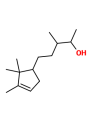
- Sandal Pentanol (Sandalore)
- Zinc PCA
Are there any that are incompatible?
Thank you.
Answer
Based on the staff's response, Copper Peptide (GHK-Cu) can be used together with Biotin Express™, Coffee Extract, Sandal Pentanol (Sandalore), and Zinc PCA.
However, there are important conditions for using Copper Peptide:
- The pH of the formula must be between 4.5 and 7.4. A pH outside this range will shorten the lifespan of Copper Peptide.
- Avoid heat during the mixing process. Copper Peptide should be added in the final step.
- Use opaque packaging to protect the product from UV light, which can degrade the peptide faster.
Also, note that all peptides can degrade faster in hot weather. While manufacturers may state a shelf life of up to 2 years for products containing peptides, it is difficult for the peptide to remain in good condition for more than 12 months in reality, especially in hot conditions.
Updated Review: May 2026
This section was added after reviewing the original answer against current product availability and formulation knowledge at the stated point in time.
As of 2026-05-17, Copper Peptide (GHK-Cu) remains compatible with Biotin Express™, Coffee Extract, Sandal Pentanol (Sandalore), and Zinc PCA.
Our available Copper Peptide products include solutions and powders with varying concentrations, such as Copper Tripeptide 10x and Pep®-GHK2CU1. The recommended pH range for stability is confirmed to be 4.5-7.4. To maintain efficacy, avoid heat during mixing (add in the final step below 40°C) and use opaque packaging to protect from UV light.
Regarding shelf life, while our product specifications indicate a minimum of 12 months, proper storage (refrigerated, protected from air and light) is crucial for maintaining peptide quality, especially in warm climates.
Related Products Mentioned
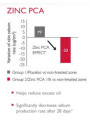
Zinc PCA
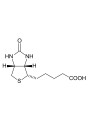
Pure-Biotin™
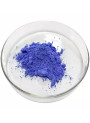
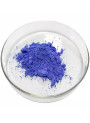
Copper Peptide (GHK-Cu, 2:1) Powder