Using Ferulic Acid to Improve Vitamin E Cream Stability
Question
Dear team,
Regarding a cream using Vitamin E (Tocopheryl Acetate) that changes color despite being in an opaque container, would adding Ferulic Acid help to slow down oxidation better?
This is in a case where chemical antioxidants are not preferred, referencing the C E Ferulic formula.
Answer
Subject: Antioxidants in Cream
Dear team,
Regarding the issue where a cream using Vitamin E (Tocopheryl Acetate) changes color despite being in an opaque container, would adding Ferulic Acid help to slow down oxidation better? This is in a case where chemical antioxidants are not preferred, referencing the C E Ferulic formula.
Response:
Thank you for your question. It is common for creams containing Vitamin E (Tocopheryl Acetyl) to experience color change over time due to oxidation, even when stored in opaque containers. Factors such as exposure to air during use, temperature fluctuations, and the overall stability of the formulation can contribute to this.
Adding Ferulic Acid is an excellent approach to enhance the stability of your cream and provide better antioxidant protection. Ferulic Acid is a potent antioxidant that works synergistically with Vitamin E (and Vitamin C, if present) to boost their effectiveness and stability. This synergy helps to neutralize free radicals more efficiently and protect the ingredients, including Vitamin E, from oxidation, thereby slowing down the color change.
The C E Ferulic formulation you referenced is a classic example of how combining these antioxidants significantly improves stability and performance. Since Ferulic Acid is a naturally occurring antioxidant found in plants, it aligns well with your preference to avoid synthetic chemical antioxidants.
Therefore, incorporating Ferulic Acid into your cream formulation is likely to help stabilize the Vitamin E and significantly slow down the oxidation process and the associated color change.
Related Products Mentioned
Vitamin E (Tocopheryl Acetate)
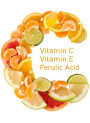
Vitamin C E Ferulic