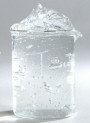
Using Fresh Aloe Vera Flesh for a Sheet Mask
Question
I want to make a sheet mask using fresh aloe vera flesh directly, instead of a paper sheet mask. Is this possible? What are the challenges and how can I achieve a mask with a gel or film texture using aloe vera benefits safely?
Answer
Creating a Sheet Mask from Aloe Vera Flesh
I understand you're interested in making a sheet mask using fresh aloe vera gel/flesh directly, rather than a paper sheet. As the staff previously explained, using raw natural ingredients like fresh aloe vera directly in cosmetic products is very difficult and carries high risks.
Challenges of Using Fresh Aloe Vera Flesh
- Hygiene and Microbial Contamination: Fresh aloe vera flesh is highly susceptible to microbial contamination. Without proper and sufficient sterilization processes, the product will not be safe and will have a very short shelf life.
- Texture Stability: Fresh aloe vera gel is primarily water and polysaccharides, resulting in a soft gel texture that doesn't naturally form a stable sheet that can be easily handled like a finished mask.
- Product Stability: Natural extracts that haven't undergone cosmetic processing are often unstable, degrade easily, and may react with other ingredients in a formula.
Approach for Making a Gel/Film Mask (Not from Raw Flesh)
To create a mask with a gel or film texture that adheres well to the skin and safely provides the benefits of aloe vera in a stable form, you should use cosmetic-grade aloe vera extract (such as powder or liquid that has been sterilized and stabilized) in combination with specific gelling agents or film formers used in cosmetic formulations.
Gelling agents and film formers help adjust viscosity and build structure, making the mask texture stable and allowing it to be applied or formed into a sheet. There are various types available, depending on the desired texture and film-forming ability.
Examples of Popular Gelling Agents:
- Carbomer types, such as Carbomer 940, CarboQuick™
- Xanthan Gum types, such as Xanthan Gum (clear gel type)
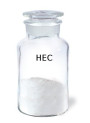
- Cellulose types, such as Hydroxyethyl Cellulose (HEC)
- Other types, such as AnyGel™, Aristoflex AVC, Sepimax Zen, Potassium Alginate
These ingredients help increase viscosity and create a gel texture for the formula, which can be mixed with cosmetic-grade aloe vera extract.
Examples of Film Formers that Help the Mask Adhere Well or Be Peelable:
- Flex Film (Water Base)
- Comfort Film (Water Base)
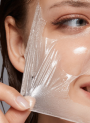
- ClearFlexPeel Film™ (for peel-off masks)
Using film formers together with gelling agents and cosmetic-grade aloe vera extract will allow you to develop a mask formula with a gel or film-like texture as desired, which will be safer and more stable than using fresh aloe vera flesh directly.
It is important to study the information for each ingredient, the appropriate usage rate, and the mixing procedure to achieve a stable and safe mask texture for skin application.
Related Products Mentioned
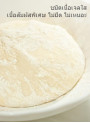
Carbomer 940 (EasyDisperse™, France)
AnyGel™ (Dehydroxanthan Gum)
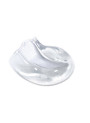
Aristoflex AVC
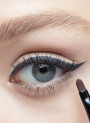
Flex Film (Water Base)
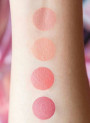
Comfort Film (Water Base)