Using Fresh Lemons in Skincare: Challenges and Alternatives for Stability and Shelf Life
Question
I have a large quantity of fresh lemons and would like to use them to create skincare products with a shelf life of at least 1 year. What are the challenges of using fresh lemons directly in formulations, and what are the recommended alternative ingredients or methods to achieve this goal?
Answer
Hello, I understand that you have a large quantity of lemons and would like to utilize them to create skincare products.
Based on the information previously provided by the staff, using fresh natural ingredients directly in cosmetic formulations to achieve a shelf life of at least 1 year, especially without prior experience and specialized equipment, is quite challenging due to:
- Microbial Risk: Fresh fruits contain a large number of natural microorganisms. Without proper sterilization or control processes, the product will spoil very quickly and may cause skin irritation or infection. Achieving a 1-year shelf life requires highly effective preservatives and very clean production processes.
- Instability of Active Compounds: Many active compounds in lemons, such as Vitamin C, are highly unstable and easily degrade when exposed to light, air, or heat, leading to a rapid loss of efficacy.
- Inconsistent Concentration: The amount of active compounds in each lemon, or at different times, may vary, making it difficult to control the quality and consistency of the formula.
- Very Low pH: Lemon juice has a very low pH (around 2-3). If used directly or if the pH is not adjusted correctly, it can cause severe skin irritation.
- Phototoxicity Issues: Certain compounds in lemon peel (Furocoumarins) can make the skin more sensitive to sunlight, easily causing irritation, redness, or burns when applied before sun exposure.
Therefore, making simple homemade scrubs or lotions from fresh lemons and expecting a 1-year shelf life, along with consistent safety and efficacy, is very difficult to achieve.
A safer and more effective approach to incorporating the benefits of lemon into skincare is to use Lemon Extract or key processed/synthesized ingredients that have undergone quality-controlled production, are stable, safe, and have a long shelf life.
Ingredients related to lemon that are commonly used in cosmetics and available for formulators include:
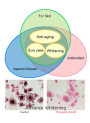
- Lemon Peel Bioferment (Lemon Skin™): This is an extract from lemon peel produced through fermentation. It acts as a tyrosinase inhibitor for skin brightening and is an antioxidant. It can be used in various whitening products and has a shelf life of at least 18 months when stored in the refrigerator.
- Citric Acid (Anhydrous, Natural): This is citric acid produced through natural processes, used to adjust the pH of cosmetic formulas to a skin-friendly level (around 5.5-6.5). It helps ensure formula stability and safety and has a shelf life of at least 3 years.
- Stable forms of Vitamin C: Although Vitamin C in fresh lemon is unstable, cosmetic science uses stable, water-soluble derivatives like Ascorbyl Glucoside (AA-2G Stabilized Vitamin C) or Sodium Ascorbyl Phosphate (Vitamin C SAP) which have skin brightening, dark spot reducing, and antioxidant properties. These are designed to be highly stable, easier to use than pure Vitamin C, and have a long shelf life (AA-2G at least 1 year, SAP at least 24 months).
If you are interested in using the benefits of lemon in skincare, I recommend considering the purchase of lemon extracts or stable Vitamin C derivatives like Citric Acid, AA-2G, or SAP. You can then incorporate these into ready-made skincare bases such as lotion bases or serum bases, which are commonly available for cosmetic formulation. This method involves simple steps and results in products that are stable, safe, and have the desired shelf life (at least 1 year).
When using these ingredients, it is important to carefully study the usage information, recommended percentages, and mixing instructions for each ingredient, especially regarding pH adjustment for certain Vitamin C types, to ensure optimal efficacy and product stability.
Related Products Mentioned
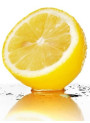
Lemon Peel Bioferment (Lemon Skin™)