Using Glycols as Anhydrous Base for Vitamin C and Absorption
Question
Can Propanediol or Butylene Glycol be used as the primary base (without water) to dissolve Vitamin C (L-Ascorbic Acid)? Also, does using high percentages of Butylene Glycol and Propanediol improve skin absorption?
Answer
Using Propanediol or Butylene Glycol as a Base for Vitamin C
It is practical and common practice in cosmetic formulation to use solvents like Propanediol or Butylene Glycol as the primary base for L-Ascorbic Acid (Vitamin C) in anhydrous (water-free) formulations. This approach is often taken because L-Ascorbic Acid is highly unstable in the presence of water and can quickly oxidize and lose its effectiveness.
Using glycols such as Propanediol and Butylene Glycol helps to keep the L-Ascorbic Acid stable by avoiding water. Certain grades of L-Ascorbic Acid, like the Ultra-Fine powder, are specifically recommended for anhydrous systems as they disperse easily in these types of bases.
Regarding the use of high percentages of Butylene Glycol and Propanediol to increase absorption, these ingredients primarily function as solvents and humectants. While they help to dissolve active ingredients and improve the texture and feel of the product on the skin, their main role is not to significantly enhance skin penetration. High concentrations are typically used for their solvency properties, humectant benefits (attracting and retaining moisture), and in the case of Propanediol, it can also act as a preservative booster. While they might indirectly influence the delivery of other ingredients by ensuring they remain dissolved and available on the skin surface, they are not generally classified as strong penetration enhancers.
Related Products Mentioned
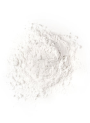
Vitamin C (L-ascorbic acid) (Ultra-Fine)
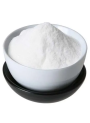
Vitamin C (L-ascorbic acid) (Fine)
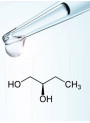
Butylene Glycol