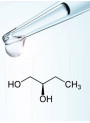
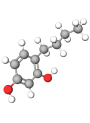
Using Glycols in Cream: Necessity, Alternatives, and Benefits (Propylene, Butylene, Pentylene)
Question
Regarding cream formulation:
1. Is it necessary to use glycol group ingredients?
2. Can Butylene Glycol replace Propylene Glycol in all cases, or are there any exceptions?
3. If the answer to question 2 is yes, and without considering price, can Pentylene Glycol replace Butylene Glycol and Propylene Glycol in all cases as well?
Answer
Based on the information provided:
Is it necessary to use glycols in cream formulations?
It is not strictly necessary to use glycols in cream formulations, but they offer several benefits:- They help improve the penetration of various ingredients into the skin. The degree of penetration enhancement depends on the specific type of glycol used.
- They act as humectants, helping to retain some moisture in the skin, although their primary function isn't intense moisturization.
- They can enhance the efficacy of preservatives in the formula, depending on the specific glycol.
Can Butylene Glycol replace Propylene Glycol in all cases, or are there exceptions?
Butylene Glycol can generally replace Propylene Glycol in all cases. The main reason for switching from Propylene Glycol to Butylene Glycol is that Butylene Glycol has a lower potential for skin irritation, while their other properties are very similar.If price is not a factor, can Pentylene Glycol replace Butylene Glycol and Propylene Glycol in all cases?
If price is not a concern, Pentylene Glycol is generally a better choice than Butylene Glycol and Propylene Glycol. Pentylene Glycol excels in enhancing ingredient penetration and boosting preservative efficacy. While you can use Butylene Glycol if these specific benefits are not the primary goal, Pentylene Glycol offers superior performance in these areas. High-end brands often use Pentylene Glycol for these reasons.Evaluation of the provided formula:
The formula you provided is suitable for making a cream even without the addition of glycols. However, incorporating a glycol (such as Pentylene Glycol, Butylene Glycol, or Propylene Glycol) could potentially enhance the performance of this formula. Glycols would help improve the penetration of the active ingredients like NAG, B3, Activated Resorcinol S, and MSH absorp into the skin. They could also help boost the efficacy of the preservative, Phenoxyethanol. If you were to add a glycol, Pentylene Glycol would likely provide the most significant benefits in terms of penetration enhancement and preservative boosting, assuming price is not a factor.
The ingredients in your formula are:
- water (64.07%)
- Disodium EDTA (0.2%)
- double hya liquid (2%)
- NAG (Glucosamine N-Acetyl) (4%)
- B3 (Vitamin B3 / Niacinamide) (3%)
- Allantoin (0.13%)
- B5 (Panthenol / Pro Vitamin B5) (1%)
- Activated Resorcinol S (Activated Resorcinol / 4-Butylresorcinol) (4%)
- Phenoxyethanol (Preservative) (0.60%)
- MSH absorp (MSH White) (3%)
- fractionated coconut (5%)
- Sweet Almond Oil (3%)
- SiliSilk (Silicone Powder) (1%)
- Cyclomethicone (Cyclopentasiloxane) (4%)
- Luxury Cream Maker (Emulsifier) (3%)
- Soy Extract (2%)
This formula includes a water phase, oil phase, emulsifier, active ingredients targeting hydration, soothing, whitening, and anti-aging, and a preservative. It is a functional cream base.
Related Products Mentioned
GlucoBright™ (Acetyl Glucosamine)
Propylene Glycol (USP)
Phenoxyethanol (Extra Pure)