Using IseFoam™ in Bath Bombs: Mixing Methods and Mold Sticking Issues
Asked by: Anonymous
On: December 31, 2025
Product Type:
Cosmetics
Answered
Question
I am using IseFoam™ (Sodium Lauroyl Methyl Isethionate), which comes in flake/pastille form, in a bath bomb formulation. I have a few questions regarding its application:
- Mixing Method: Should I grind the flakes into a fine powder and mix them directly with the dry ingredients, or do I need to dissolve them in water first?
- Sticking Issue: When using a machine mold (mechanical press), the mixture sticks to the mold, although this does not happen when using a manual mold. Could this issue be caused by the
IseFoam™? How can I resolve this sticking problem in the machine press? - Alternative Surfactants: Are there any other surfactants recommended for bath bombs that provide high foam and are easier to incorporate into dry-pressed formulations?
Answer
Regarding your questions about using IseFoam™ (Sodium Lauroyl Methyl Isethionate) in bath bombs, here are the recommendations:
1. Mixing Method: Powder vs. Dissolving in Water
For bath bomb formulations, it is highly recommended to use it in powder form mixed directly with other dry ingredients.
- Why not dissolve in water? Bath bombs are sensitive to moisture. Adding water (even if used to dissolve the surfactant) can trigger a premature reaction between the Citric Acid and Baking Soda, causing the mixture to expand or become too soft/sticky to mold properly.
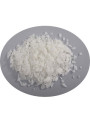
- Preparation: Since IseFoam™ comes in flakes or pastilles, grinding it into a very fine powder before mixing is the correct approach. This ensures even distribution and prevents "spots" of concentrated surfactant that could cause sticking.
2. Solving the Sticking Issue in Machine Molds
Sticking in a machine mold (mechanical press) is common because the higher pressure can force moisture or "gummy" ingredients to adhere to the metal surface.
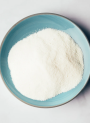
- Particle Size: Ensure the IseFoam™ is ground into a very fine, flour-like powder. Coarse particles can become sticky under pressure.
- Moisture Control: Surfactants are often hygroscopic (they attract moisture). If your environment is humid or you are using liquid oils/fragrances, the mixture may become too tacky for a machine mold.
- Lubrication/Release: You may need to add a "dry lubricant" to the formula to help with mold release, such as Kaolin Clay or Cream of Tartar, which helps the structure and reduces stickiness.
- Mold Maintenance: Ensure the machine mold is completely dry and clean. Sometimes a very light wipe with a high-HLB emulsifier or a specialized mold release agent is needed for industrial presses.
3. Recommended High-Foam Surfactant for Bath Bombs
If you are looking for a surfactant specifically designed for high foam in bath bombs, we recommend:
- Sodium lauryl sulfoacetate (SLSA): This is the industry standard for bath bombs. It comes in a fine powder form (no grinding needed), provides very rich and stable foam, and is much easier to incorporate into dry-pressed formulas than ground flakes.
Summary of recommended products:
- IseFoam™ (Sodium Lauroyl Methyl Isethionate) (The product you are currently using)
- Sodium lauryl sulfoacetate (SLSA) (Recommended for easier use and high foam)