Using Lecithin in Cream Formulations: Stability and Shelf Life
Question
I would like to know about using Lecithin in a cream formulation.
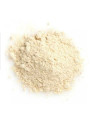
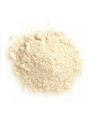
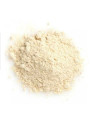
- Can the Lecithin powder attached in the file be used in a cream formulation?
- I've heard that if it's natural Lecithin, it won't be very stable after a short period.
- Is this considered derived Lecithin?
- I plan to sell the product with a 2-year shelf life. Will it be stable enough?
Thank you.
Answer
Lecithin for Cream Formulations and Shelf Life
Regarding the use of Lecithin in cream formulations and concerns about stability for a 2-year shelf life:
Natural Lecithin, such as liquid Soy Lecithin, can sometimes have stability limitations over extended periods, which might affect formulations aiming for a long shelf life like 2 years. The Soy Lecithin liquid product has a minimum shelf life of 18 months.
Hydrogenated Lecithin is a modified or derived form of Lecithin. This process increases its stability and makes it more suitable for formulations requiring a longer shelf life.
For a cream formulation intended for commercial sale with a 2-year shelf life, a Hydrogenated Lecithin product would be a more stable choice. Products like LeciCream™, which is a natural emulsifier made from special grade Hydrogenated Lecithin, are designed for use as cream makers and have a minimum shelf life of 2 years. Other Hydrogenated Lecithin products are also available and offer enhanced stability compared to natural liquid Lecithin.
Therefore, while natural liquid Soy Lecithin might be used, for a 2-year shelf life product, using a Hydrogenated Lecithin or a blend containing it, such as LeciCream™ or LecithinGel™, would provide better stability.
Related Products Mentioned