Using Natural Oils for Exfoliation and Dark Spots vs. Active Ingredients & Application Order
Question
I want to create a cream formulation to address uneven skin tone and dark spots from scratches or mosquito bites. I currently use Bio-Oil before applying lotion.
- Can natural oils such as Rose Hip Oil, Grape Seed Oil, Safflower Seed Oil, Sweet Almond Oil, and Avocado Oil help with exfoliation and reducing these dark spots?
- Can I mix these oils with lotion or Bio-Oil?
- What is the correct order to apply the products (lotion, Bio-Oil, or other oils)?
Answer
Addressing Uneven Skin Tone and Dark Spots
To effectively target uneven skin tone and dark spots, you should incorporate active ingredients known for exfoliation and melanin reduction into your formulation.
Exfoliation
Exfoliation helps remove old skin cells, which can improve skin texture and help fade dark marks over time. Gentle options are recommended, especially if you are new to formulating.
- Bio-S Protease: A natural enzyme that gently removes dead skin cells without causing irritation.
- FruitPeel: An extract blend from fruit peels that offers gentle exfoliation and can help improve skin texture and reduce the appearance of dark spots.
- Pumpkin Renew: A pumpkin extract that acts similarly to AHA but is gentler, suitable for sensitive skin.
Dark Spot Reduction (Whitening)
Ingredients in this category work by targeting the production or transfer of melanin, the pigment that causes dark spots.
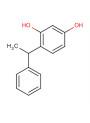
- Phenylethyl Resorcinol: A highly effective ingredient for brightening skin and reducing hyperpigmentation by inhibiting the enzyme responsible for melanin production. It's considered potent and can be used at low concentrations.
- Activated Resorcinol: Another effective ingredient that works by reducing tyrosinase activity and preventing pigment transfer.
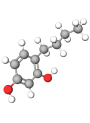
- Hexylresorcinol AF: A water-soluble option that works at multiple stages of the melanin production process to reduce dark spots and brighten skin.
- MelaninTerminate: A protein extract that inhibits melanin production through a different mechanism, helping to make skin clearer.
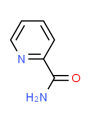
- B3-Boost (Picolinamide): Research suggests this can help reduce blemishes effectively.
- Yeast Radiance: A yeast extract that acts as a brightener, giving skin a more radiant appearance without making it look pale.
You can choose one or a combination of these types of ingredients to create a serum or lotion base.
Using Oils with Your Formulation
Regarding your question about using other oils and mixing them:
- Mixing Oils: You can blend different natural oils together to create a custom oil blend for moisturizing.
- Mixing with Lotion: It's generally not recommended to mix oils directly into a pre-made lotion as it can affect the lotion's stability and texture.
- Layering: Layering is a better approach. Apply your active serum or lotion first, allowing it to absorb, and then follow with your oil (like Bio-Oil or your custom oil blend) to lock in moisture.
Application Order
Applying a lighter texture (like a serum or lotion containing your active ingredients) before a heavier texture (like an oil) is generally the recommended order. This allows the active ingredients to penetrate the skin effectively. So, applying your formulated serum/lotion first, followed by Bio-Oil or another oil, is appropriate.
When you start formulating, begin with simple recipes and always follow the recommended usage rates and mixing instructions for each ingredient to ensure safety and effectiveness.
Related Products Mentioned
Pumpkin Renew™ ผลัดเซลล์ผิวอ่อนโยน

Yeast Radiance™
FruitPeel™ exfoliates cells with fruit
MelaninTerminate™
B3-Boost™ (Picolinamide)