Using Phosphatidylcholine for Plant Extract Encapsulation in Food
Asked by: 62050582
On: December 14, 2022
Product Type:
Food
Answered
Question
Can Phosphatidylcholine be used to encapsulate plant extracts for food applications, and what is the appropriate usage percentage for thesis research?
Answer
Information for Thesis: Using Phosphatidylcholine for Encapsulating Plant Extracts for Food
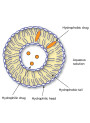
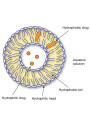
Phosphatidylcholine, found in Soy Extract products, is a substance with emulsifying properties and can be used in encapsulation techniques, particularly in the form of liposomes, which are suitable for delivering plant extracts in food systems.
- Usage: Phosphatidylcholine can be used as a primary component in creating liposomal structures to encapsulate plant extracts, aiming to enhance stability, prevent degradation, or control the release of active compounds in food products.
- Usage Percentage: There is no fixed usage percentage specifically for encapsulating plant extracts. The optimal amount will depend on several factors, such as:
- The type and properties of the plant extract to be encapsulated.
- The method used for preparing liposomes or the encapsulation structure.
- The nature and composition of the final food product.
- The desired encapsulation efficiency and release profile.
- Recommendation for Thesis: You should conduct laboratory experiments to find the appropriate ratio of Phosphatidylcholine to your specific plant extract, as well as the optimal preparation conditions, to achieve the best encapsulation efficiency. Reviewing relevant research literature will help guide your initial experimental design.
Related products you may consider: