Using Retinaldehyde Powder: Dissolution and Application
Question
How should Retinaldehyde powder be dissolved (in fat or ethanol), and is it safe to apply a simple solution directly to the face?
Answer
Using Retinaldehyde Powder in Formulations
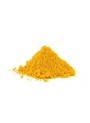
Retinaldehyde powder (such as the product named Retinal (Retinaldehyde)) is a potent form of Vitamin A used in cosmetics for its anti-aging benefits.
How to Dissolve
Retinaldehyde powder is oil-soluble. It should be dissolved in an oil phase, not ethanol. Avoid using heat during the dissolution process as it can degrade the Retinaldehyde.
Simple Recipe Concept
A simple approach involves dissolving the Retinaldehyde powder in a small amount of suitable cosmetic oil (like a carrier oil or emollient). This oil phase containing the dissolved Retinaldehyde is then typically incorporated into the oil phase of an oil-in-water emulsion (like a lotion or cream base). This helps ensure proper dispersion and stability.
Recommended Usage Rate: The typical usage rate for Retinaldehyde powder is very low, usually between 0.01% and 0.1%. A common recommended concentration is 0.05%. Using concentrations higher than 0.1% can cause significant skin irritation.
Direct Application of a Simple Solution
Applying a simple solution of Retinaldehyde powder dissolved in oil directly to the face is not recommended. Here's why:
- Potency and Irritation: Retinaldehyde is highly potent and can cause irritation, redness, and peeling, especially at higher concentrations. A simple solution makes it difficult to control the exact concentration applied to the skin, increasing the risk of irritation.
- Stability: Retinaldehyde is sensitive to light, heat, and air. A simple solution may not provide adequate protection, leading to rapid degradation and loss of efficacy.
- Formulation Needs: Optimal formulations often include stabilizers (like antioxidants) and ingredients to improve skin tolerance (like Niacinamide) and ensure even distribution on the skin, which a simple solution lacks.
- Absorption: Incorporating it into an emulsion base (oil-in-water cream or lotion) is generally preferred for better skin compatibility and controlled delivery.
For easier formulation, consider using an encapsulated, water-dispersible form of Retinal (like Retinal-EZ™) if you prefer working with water-based systems, although this is not the powder form you asked about.
Important Considerations
- Always work with Retinaldehyde in a dark or low-light environment.
- Store the powder properly (refrigerated or frozen, tightly sealed, protected from light and air).
- Finished products containing Retinaldehyde should be packaged in opaque, air-restrictive containers.
- It is highly recommended to include Niacinamide in your formulation when using Retinaldehyde, as research suggests it can help improve skin tolerance and reduce irritation.
Creating a stable and effective Retinaldehyde product requires careful formulation beyond just dissolving the powder. It's best to incorporate it into a well-designed cream or lotion base at the appropriate low concentration.
Related Products Mentioned