Using Skin Barrier Repair Formula with Sunscreen and Formulation Details
Question
Regarding the following formula:
- Glycyrrhetinic Acid 3%
- Allantoin 0.25%
- Vitamin B12 (1% conc) 5%
- Hyaluronic Acid Nano 0.1%
- Ceramide Complex 10%
Can this formula be used together with sunscreen? If so, how should it be applied (e.g., before sunscreen)?
Additionally, what is the mixing method for this formula, and is pH adjustment required?
Answer
Understanding Your Skin Concerns and a Proposed Solution
It sounds like your sister is experiencing significant discomfort from steroid withdrawal, including dryness, stinging, and itching. The original cream she used contained several ingredients known for their soothing and skin-calming properties:
- Evening Primrose Oil
- Tiliroside
- Glycerophosphoinositol
- Chamomilla recutita flower extract (Alpha-Bisabolol)
- Aloe Vera Extract
The staff has recommended a revised alternative formula specifically formulated for sensitive skin and conditions like steroid dependence or eczema. This formula aims to provide similar relief and support skin recovery. The key ingredients in the recommended formula are:
- Glycyrrhetinic Acid 3%: Known for its anti-inflammatory and soothing properties.
- Allantoin 0.25%: Helps to soothe skin and promote healing.
- Hyaluronic Acid Nano 0.1%: Provides intense hydration to combat dryness.
- Ceramide Complex 10%: Essential for repairing and strengthening the skin's natural barrier, which is often compromised after steroid use.
- Atopic-Telmesteine™ 3%: A key ingredient mentioned as being beneficial for atopic skin conditions.
- Shea butter 5% (up to 10% for very dry skin): An emollient that helps moisturize and soften the skin.
This combination targets the core issues of steroid withdrawal by reducing inflammation, calming irritation, hydrating the skin, and rebuilding the damaged skin barrier.
Regarding your follow-up questions:
- Using with sunscreen: Yes, the cream can be used with sunscreen. Apply the cream first, allow it to absorb completely, and then apply your sunscreen.
- Mixing instructions: The staff provided a link for basic cream formulation (http://www.myskinrecipes.com/topic174.html). You should follow standard procedures for mixing cosmetic ingredients, typically involving combining phases (water, oil) and incorporating ingredients at appropriate temperatures.
- pH adjustment: The provided formula does not explicitly state that pH adjustment is necessary. However, it is generally recommended practice in cosmetic formulation to check and adjust the final pH to be suitable for the skin (typically slightly acidic, around 4.5-6.0) to ensure product stability and skin compatibility, depending on the specific ingredients used.
Related Products Mentioned
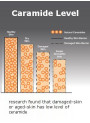
Ceramide Complex (CeraTouch™, Cream)

Allantoin
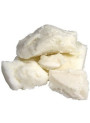
Shea Butter (Refined , Deodorised)
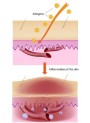
Atopi-Telmesteine™
