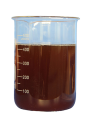
Using Stabilized Mixed Enzyme in Laundry Detergent: Properties, Shelf Life, and Performance
Question
I am looking to experiment with using Stabilized Mixed Enzyme (for laundry, Liquid) in a laundry detergent formulation. I have several questions regarding its properties and usage:
- Preservation and Shelf Life:
- If I incorporate this enzyme into a laundry detergent, do I need to add a preservative?
- What is the expected shelf life in months once it has been added to the laundry detergent?
- Scent:
- Does
Stabilized Mixed Enzymehave an inherent scent? - Will I need to add additional fragrance to my detergent?
- Does
- Combining with Powder Enzymes:
- If I want to enhance specific performance aspects, can I add powder enzymes such as
Lipase Enzyme (Washing/Cleaning, Powder)andProtease Enzyme (for Washing/Cleaning, Powder)alongside theStabilized Mixed Enzyme?
- If I want to enhance specific performance aspects, can I add powder enzymes such as
- Key Performance Areas:
- What are the main strengths of your
Stabilized Mixed Enzymeformula for laundry applications?
- What are the main strengths of your
- Enzyme Ratios:
- Is it possible to know the ratio of each individual enzyme within the
Mixed Enzymeformula to understand its prominent properties?
- Is it possible to know the ratio of each individual enzyme within the
- Specific Benefits:
- Can the
Mixed Enzymehelp with the following specific concerns:- Reducing musty odors when drying clothes indoors?
- Reducing sweat odors?
- Making fabrics softer?
- Maintaining fabric brightness?
- Can the
Answer
Regarding your questions about using Stabilized Mixed Enzyme (for laundry, Liquid) in laundry detergent:
Preservatives and Shelf Life:
- Our Stabilized Mixed Enzyme is designed to be stable. However, when formulating a complete laundry detergent, it is crucial to add appropriate preservatives to the overall product to prevent microbial growth and ensure the stability and safety of the final formulation.
- The Stabilized Mixed Enzyme product itself, when stored correctly (tightly closed, away from sunlight/heat at room temperature), has a good shelf life. Our individual stabilized enzymes like Stabilized Lipase Enzyme and Stabilized Cellulase Enzyme have a shelf life of at least 2 years. For the powder Protease Enzyme, it can be stored for 12 months at room temperature. The overall shelf life of your finished laundry detergent will depend on all ingredients and storage conditions.
Scent:
- The product description for Stabilized Mixed Enzyme does not specify any inherent scent. Therefore, we recommend adding a fragrance or perfume to your laundry detergent formulation if you desire a specific scent for your product.
Combining with Powder Enzymes (Lipase, Protease):
- Yes, you can certainly add additional powder enzymes like Lipase Enzyme (Washing/Cleaning, Powder) or Protease Enzyme (for Washing/Cleaning, Powder) to your formulation alongside the Stabilized Mixed Enzyme. This can help to boost the specific cleaning performance for certain types of stains (e.g., more lipase for oil/grease, more protease for protein stains).
- When combining, ensure that the pH and temperature conditions of your final detergent formula are within the optimal range for all enzymes used to maintain their activity.
Key Strengths of Stabilized Mixed Enzyme in Laundry:
- Our Stabilized Mixed Enzyme is a comprehensive blend of various enzymes including protease, amylase, pectate lyase, lipase, mannanase, and cellulase. This blend offers broad-spectrum cleaning benefits:
- Protease: Excellent for breaking down protein-based stains (e.g., blood, sweat, food proteins).
- Lipase: Highly effective against oil and grease stains (e.g., food oils, body oils).
- Amylase: Targets starch-based stains (e.g., rice, pasta, potato).
- Cellulase: Helps to soften fabrics, remove pilling, and restore brightness by breaking down cellulose fibers and removing embedded dirt.
- Pectate Lyase & Mannanase: Target specific plant-based stains and food residues.
- Overall, it enhances cleaning efficiency for a wide range of stains and helps to restore the brightness of white fabrics.
- Our Stabilized Mixed Enzyme is a comprehensive blend of various enzymes including protease, amylase, pectate lyase, lipase, mannanase, and cellulase. This blend offers broad-spectrum cleaning benefits:
Individual Enzyme Ratios in Mixed Enzyme:
- The exact ratios of each enzyme within our Stabilized Mixed Enzyme are proprietary information and cannot be disclosed. However, the blend is formulated to provide a balanced and effective cleaning performance for general laundry applications.
Addressing Specific Needs (Musty Odor, Sweat Odor, Fabric Softness, Brightness):
- Reducing Musty Odor and Sweat Odor: Yes, the enzymes in Stabilized Mixed Enzyme can significantly help. Protease and Lipase break down the organic compounds (proteins, fats) from sweat and body soils that are major contributors to unpleasant odors and mustiness, especially when clothes are dried indoors. By removing these residues, the source of the odor is eliminated.
- Fabric Softness: The Cellulase enzyme present in the mixed blend is specifically known for its ability to smooth fabric fibers, which helps to soften clothes and prevent pilling.
- Maintaining Brightness: Cellulase also contributes to maintaining fabric brightness by removing microfibrils and embedded dirt that can make fabrics appear dull. The overall cleaning action of the mixed enzymes ensures a thorough removal of various stains, contributing to the freshness and brightness of clothes.
For optimal results, always follow the recommended usage rates for each enzyme in your concentrated detergent formula. You can find links to all mentioned products below this answer.
Follow-up Replies
Question:
The user is seeking further guidance on using Stabilized Mixed Enzyme in various cleaning applications. Specifically, they would like to know:
- Recommended Usage for
Stabilized Mixed Enzyme:- What is the recommended dosage for a 500 ml bottle of laundry detergent?
- What is the recommended dosage for a 500 ml bottle of dishwashing liquid?
- Performance in Dishwashing Liquid:
- How long does it take for the enzyme to start working in dishwashing liquid?
- How can the effectiveness be compared between dishwashing liquid with and without the enzyme, given that dishwashing is typically a quick process?
- Performance in Laundry Detergent:
- Regarding the reduction of musty odors when drying clothes indoors, will the enzyme show results from the very first wash?
- Regarding the brightening of colored and white fabrics, will the effect be noticeable from the 2nd-3rd wash onwards?
- Application in Floor and Toilet Cleaners:
- Can
Stabilized Mixed Enzymealso be used in floor and toilet cleaning products? - If yes, what benefits would it provide?
- If not, please recommend suitable enzymes for these applications.
- Can
Answer:
Here are the answers to your additional questions regarding the use of Stabilized Mixed Enzyme:
Recommended Usage Rate for Stabilized Mixed Enzyme:
- In 500 ml Laundry Detergent: For a concentrated laundry detergent formula, we recommend using
Stabilized Mixed Enzymeat a rate of 0.6% to 3.5% of the total formula. For a 500 ml bottle, this would translate to approximately 3 ml to 17.5 ml of the enzyme. You can start with a lower percentage and adjust based on desired performance. - In 500 ml Dishwashing Liquid: Similarly, for dishwashing liquid, we recommend a usage rate of 0.6% to 3.5% of the total formula. For a 500 ml bottle, this would be approximately 3 ml to 17.5 ml of the enzyme.
- In 500 ml Laundry Detergent: For a concentrated laundry detergent formula, we recommend using
Enzyme Action in Dishwashing Liquid:
- Time for Enzyme to Work: Enzymes begin to work immediately upon contact with food residues. While dishwashing is typically a quick process, the enzymes will start breaking down tough food particles, especially fats, proteins, and starches, as soon as they come into contact. For heavily soiled dishes or dried-on food, a short soaking time (e.g., 5-10 minutes) with the enzyme-enhanced dishwashing liquid can significantly improve cleaning efficiency.
- Comparison (with/without Enzyme): You can observe the difference by comparing how easily food residues, particularly dried-on or greasy stains, are removed. Dishes washed with the enzyme-enhanced liquid should require less scrubbing and feel cleaner, especially on surfaces that tend to retain a greasy film. For a clearer demonstration, try soaking two similarly soiled items, one with and one without the enzyme-enhanced liquid, for a short period before washing.
Enzyme Performance in Laundry Detergent:
- Reducing Musty Odors (Drying Indoors): The enzymes, particularly protease and lipase, work by breaking down the organic compounds (sweat, body oils, food residues) that cause musty odors. You should notice a reduction in musty odors from the very first wash, as the source of the odor is being actively removed.
- Maintaining Fabric Brightness (Colors and Whites): The cellulase enzyme in the mixed blend helps to smooth fabric fibers and remove microfibrils and embedded dirt that can make fabrics look dull. While some improvement might be visible after the first wash, the full benefits of enhanced brightness and anti-pilling are typically more noticeable after 2-3 washes as the enzyme works cumulatively to restore fabric condition.
Use in Floor and Toilet Cleaners:
- Yes,
Stabilized Mixed Enzyme (for laundry, Liquid)can be used in floor and toilet cleaning products. Its blend of enzymes (protease, amylase, pectate lyase, lipase, mannanase, cellulase) is effective against a wide range of organic soils. - Benefits in Floor and Toilet Cleaners:
- Breaks Down Organic Stains: It will effectively break down common organic dirt, grease, soap scum, urine residues, and other biological matter that accumulates on floors and in toilets.
- Odor Elimination: By breaking down odor-causing organic compounds, it helps to eliminate unpleasant smells rather than just masking them.
- Enhanced Cleaning: It can make cleaning easier and more thorough, especially in areas prone to stubborn organic buildup.
- For specific applications like heavy grease in kitchens or specific biological waste, you might consider boosting the formulation with additional
Lipase Enzyme (Washing/Cleaning, Powder)for fats orProtease Enzyme (for Washing/Cleaning, Powder)for protein-based soils, depending on the predominant type of soil you aim to clean.
- Yes,
You can find links to all mentioned products below this answer.
Related Products Mentioned