Using TEA and Vitamin E in Cream Formulations
Question
Regarding cosmetic cream formulations, I have the following questions about Triethanolamine and Vitamin E:
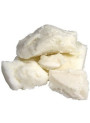
1. If a formula is 90% synthetic ingredients and 10% natural ingredients (like Shea Butter), are Triethanolamine and Vitamin E necessary? How should I consider using these two ingredients?
2. If a formula is entirely synthetic ingredients, are these two ingredients necessary?
3. What is the correct step to add Triethanolamine and Vitamin E into the formulation process?
Answer
Response regarding TEA and Vitamin E in Cosmetic Formulations
Here is the information regarding the use of Triethanolamine (TEA) and Vitamin E (Tocopheryl Acetate) in cosmetic cream formulations:
Necessity of TEA and Vitamin E in cream formulas with 90% synthetic and 10% natural ingredients (e.g., Shea Butter)
- TEA (Triethanolamine): Generally, Triethanolamine is not necessary for typical cosmetic formulations. Most ingredients result in a neutral or slightly acidic pH, and TEA can be irritating to the skin. It should be avoided if it is not specifically needed to adjust the pH upwards.
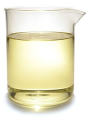
- Vitamin E (Tocopheryl Acetate): Adding Vitamin E at a level of approximately 0.1% of the formula acts as an antioxidant. It helps slow down the degradation of oil-based ingredients, particularly natural ingredients like Shea Butter, due to oxidation, thereby extending the product's shelf life.
Necessity of TEA and Vitamin E in formulas that are entirely synthetic
- TEA (Triethanolamine): Similar to point 1, Triethanolamine is generally not necessary for entirely synthetic formulas unless a specific higher pH adjustment is required.
- Vitamin E (Tocopheryl Acetate): Synthetic oil-based ingredients can also undergo oxidative degradation. For formulas consisting entirely of synthetic ingredients, consider using a more effective antioxidant than Vitamin E, such as Protec™ OX, to prevent the degradation of synthetic oils.
Step for adding TEA and Vitamin E in the formulation process
- TEA (Triethanolamine): As a pH adjuster, Triethanolamine is typically added in the final step of the manufacturing process, after the main ingredients have been combined. It is added gradually to adjust the formula's pH to the desired range.
- Vitamin E (Tocopheryl Acetate): Vitamin E is an oil-soluble ingredient and antioxidant. It is usually added to the Oil Phase during heating or during the Cooling Phase (while the formula is cooling down) at a temperature below approximately 40-50°C to prevent degradation from high heat and preserve its properties.
Related Products Mentioned
Vitamin E (Tocopheryl Acetate)
Shea Butter (Refined , Deodorised)