Using Vinegar (Acetic Acid) in Cosmetic Formulations: Challenges and Effectiveness
Question
Could you please explain the feasibility, benefits, and challenges of using vinegar (specifically Apple Cider Vinegar) in cosmetic formulations? How does its effectiveness compare to other AHAs like Glycolic Acid or Lactic Acid, and what are the key technical considerations for incorporating it into products like toners, soaps, or serums while maintaining stability, safety, and quality?
Answer
Using Vinegar in Cosmetic Products
Vinegar, particularly Apple Cider Vinegar (ACV), is sometimes used in natural or DIY cosmetics due to its main component, acetic acid, which is a type of AHA. It can help balance skin pH and offers mild exfoliating properties. However, incorporating it into stable, effective, and safe finished cosmetic products presents several challenges.
As the previous reply mentioned, acetic acid is an AHA, similar to glycolic or lactic acid. It can offer some mild exfoliating and anti-wrinkle properties. However, its effectiveness for skin exfoliation is generally considered less potent compared to glycolic or lactic acid at typical usage concentrations.
How to incorporate it and considerations:
- Toners/Rinses: The most common way ACV is used is in diluted form in water-based products like toners or hair rinses. Dilution is crucial because undiluted vinegar is highly acidic and can cause skin irritation or burns. A typical dilution might be 1 part ACV to 4-10 parts water.
- Soaps/Serums: Incorporating ACV into more complex formulations like soaps or serums is significantly more challenging.
- In cold process soap making, the high pH of the saponification process would neutralize the acidity of the vinegar, potentially diminishing its intended effects and affecting the soap's structure.
- In serums, maintaining a stable pH and ensuring compatibility with other ingredients is difficult. The natural components in non-distilled ACV ("the mother") can also affect stability and clarity.
- Formulation Considerations: When adding any acidic ingredient like vinegar, the final pH of the product must be carefully adjusted and stabilized to be safe for skin contact (typically between pH 4.0 and 5.5 for leave-on products). This requires precise formulation techniques and testing.
Maintaining Product Quality:
- pH Stability: The natural acidity of vinegar can make it hard to control and maintain the final product's pH over time, which is critical for both efficacy and safety.
- Microbial Stability: Although acidic, vinegar is not a sufficient preservative on its own for most cosmetic formulations. Non-distilled vinegar contains natural components that can support microbial growth. Effective broad-spectrum preservation is essential when formulating with ACV, which can be challenging in acidic environments.
- Odor: The strong, distinct smell of vinegar is a major hurdle for cosmetic acceptability and is difficult to mask effectively without using high levels of fragrance.
- Consistency: Using raw, non-distilled ACV can introduce variability in composition, affecting batch-to-batch consistency of the final product.
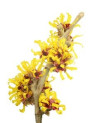
While ACV has some beneficial properties due to its acetic acid content, formulating with it requires significant expertise to ensure safety, stability, and efficacy. For reliable results and easier formulation, standardized cosmetic-grade ingredients like other AHAs (Glycolic Acid, Lactic Acid) or other gentle exfoliants and pH adjusters are generally preferred in commercial cosmetic production. Ingredients like Witch Hazel are also commonly used in toners.
Related Products Mentioned

Pumpkin Renew™ ผลัดเซลล์ผิวอ่อนโยน