Using Vitamin E T-50 Alone vs. with ROE for Rancidity Prevention in Soap
Question
In soap making, can Natural Vitamin E Tocopherol T-50 be used alone to prevent oil rancidity, or can it substitute Rosemary Oleoresin Extract (ROE) if ROE is unavailable, to achieve maximum effectiveness?
Answer
Can Natural Vitamin E Tocopherol T-50 Be Used Alone to Prevent Oil Rancidity in Soap Making?
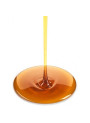
Based on the information available, Vitamin E (dl-alpha tocopherol) can indeed help protect ingredients from deterioration due to oxidation, which is the process that causes oils to go rancid. Its efficiency is described as moderate.
Rosemary Oleoresin Extract (ROE) is also an effective antioxidant for natural extracted oils, with high efficiency, especially when used in conjunction with Vitamin E.
The information you saw about using ROE together with Vitamin E for maximum effectiveness aligns with the product descriptions, which indicate that the combination offers high efficiency in preventing oxidation.
Therefore, while Vitamin E (dl-alpha tocopherol) can be used alone to help prevent oil rancidity in your soap making, using ROE, or ideally the combination of ROE and Vitamin E, is noted for higher efficiency in extending the life of natural oils. If ROE is unavailable, using Vitamin E alone will still provide antioxidant benefits and help protect your oils from going rancid, though perhaps not to the same extent as the combination.
When making soap, it's also worth considering the cost-effectiveness and the shelf life needed for your product. Using a single antioxidant like Vitamin E might be sufficient depending on the types of oils used and how quickly the soap will be used or sold.
Related Products Mentioned
Vitamin E (dl-alpha tocopherol)