Using WS-23 Cooling Agent in Hair/Scalp Products and Alternatives
Question
I would like to inquire about the use of WS-23 Cooling Agent.
- Can it be used in hair and scalp products?
- Are there any side effects?
- Are there any alternative cooling agents that can be used instead?
Answer
Using WS-23 Cooling Agent in Hair and Scalp Products
WS-23 Cooling Agent (Methyl Diisopropyl Propionamide) is a cooling agent designed to provide a cooling sensation on the skin. Based on its description, it can be used in any product intended to give a cool feeling upon skin contact, which would include products applied to the scalp.
The product description does not list specific side effects. However, as with any cosmetic ingredient, individual sensitivity can vary. It's always recommended to test a small amount on a patch of skin first, especially if you have a sensitive scalp.
Alternative Cooling Agents
Besides WS-23, several other cooling agents are available, each with different properties and recommended uses:
- WS-10 Cooling Agent (Menthoxypropanediol): This is a liquid cooling agent soluble in glycols, known for providing a strong cooling sensation on the skin. It is considered to have high cooling efficiency.
- CoCool™ (Menthol+Menthyl Lactate): Another liquid cooling agent that provides a cooling sensation on the skin. It is soluble in oil, glycol, or ethyl alcohol.
- Water-Cool™ (Water-Soluble Cooling Agent): This agent is directly soluble in water and is suitable for clear, water-based spray formulas. It is designed to provide a cool feeling on the skin for an extended period.
- Lip Cool™ (WS-3 Cooling Agent): While a cooling agent, its description specifies it is only suitable for use in lip products and cannot cool the skin or scalp effectively.
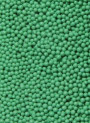
- Cooling Green Beads (Menthol Encapsulation): These are beads containing menthol and WS-3 that release cooling when broken. They are described as suitable for oral products like toothpaste and are dispersed in formulations.
When choosing an alternative, consider the desired intensity and duration of cooling, the product type (e.g., water-based spray, oil-based serum), and the target application area (skin/scalp vs. lips vs. oral).
Related Products Mentioned