Varied Skin Reactions to Serum Formulation
Question
I have a serum that I'm testing. It claims to reduce acne, wrinkles, and melasma/freckles, leaving skin smooth, soft, bright, and clear.
Some users have had satisfactory results, but others have experienced a significant increase in clogged pores, darker melasma/freckles, and noticeably duller/darker skin.
This is very strange, and I would like to know what factors in this formula could cause such different results?
Here is the formula:
- Deionized water 79.79%
- coconut Glycerin 2.510%
- cucurbita pepo Seed oil, Silk Amino acid 1.760%
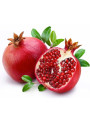
- Sunflower Seed Oil, pomergranate seed extract, tamarind seed extract 1.15%
- Macadamia Seed oil 1.610%
- Olive fruit extract 1.294%
- Copaiba Oil 0.940%
- Cetearyl Alcohol, Coco Glucoside, Behentrimonium sulfate 0.600%
- Bamboo leaf extract 0.5%
- Hydrolyzed rice protein, Glyceryl Stearate, Phenoxyethanol 0.500%
- Geranium Oil 0.050%
- Tocopherol 0.050%
- Aloe Barbadensis Leaf Extract 0.020%
- Disodium EDTA 0.010%
Thank you very much.
Answer
It's interesting that the serum is yielding such different results for different users. This often happens with cosmetic formulations because individual skin types and sensitivities vary greatly. Let's look at the ingredients to understand what might be causing these contrasting effects.
The serum contains a mix of oils, extracts, humectants, emulsifiers, proteins, and a preservative. While many ingredients aim to moisturize, soothe, and provide antioxidant benefits, some could potentially cause issues for certain skin types.
Here are some potential factors based on the ingredient list that could explain the different reactions:
Potential for Clogged Pores and Acne:
- The formula contains several oils, including Pumpkin Seed Oil, Sunflower Seed Oil, Macadamia Seed Oil, and Copaiba Oil. While many oils can be beneficial, some individuals, particularly those with oily or acne-prone skin, may find certain oils or the overall oil concentration too heavy, leading to clogged pores and breakouts.
- Fatty alcohols and thickeners like Cetearyl Alcohol and Glyceryl Stearate are used to give the serum its texture. While generally safe, in some cases, these can contribute to comedogenicity for susceptible individuals.
Potential for Irritation and Hyperpigmentation:
- Geranium Oil is an essential oil. Essential oils contain various compounds that can cause contact dermatitis or irritation in sensitive individuals. Irritation triggers inflammation, which can worsen existing conditions like melasma and lead to post-inflammatory hyperpigmentation (PIH), making skin appear darker or duller.
- Behentrimonium methosulfate, while often used as a conditioning agent, particularly in hair care, is a quaternary ammonium compound that can be irritating to the skin for some people. Even at a low concentration, it could contribute to sensitivity.
- Coco Glucoside is a gentle surfactant, but its raw form has a high pH and requires proper pH adjustment in the final product. If the serum's pH is not correctly balanced, it could cause skin barrier disruption and irritation, leading to redness, sensitivity, and potentially PIH.
- Some natural extracts, while beneficial for their antioxidant or soothing properties (like Pomegranate seed extract, Tamarind seed extract, Olive fruit extract, Bamboo leaf extract, Aloe Barbadensis Leaf Extract), can also cause sensitivity or even photosensitivity in certain individuals. This could potentially lead to increased pigmentation or darkening upon sun exposure.
Why Some Users See Positive Results:
- For users who do not experience irritation or clogging, the beneficial ingredients likely provide the positive effects observed. Glycerin and Aloe Barbadensis Leaf Extract are excellent humectants, providing hydration and soothing properties. Vitamin E and various plant oils/extracts offer antioxidant protection and skin conditioning benefits, contributing to smoother, softer, and brighter-looking skin. Hydrolyzed rice protein and Hydrolyzed silk protein can also offer moisturizing and film-forming benefits.
In summary, the varied results are likely due to the complex interaction of the serum's ingredients with the unique characteristics and sensitivities of each individual's skin. Ingredients that are well-tolerated and beneficial for some may be irritating or comedogenic for others. The concentration of potentially irritating ingredients and the overall formulation's compatibility with different skin types play a significant role.
Related Products Mentioned
Macadamia Nut Oil (Deodorized)
Vitamin E (dl-alpha tocopherol)
Phenoxyethanol (Extra Pure)
Coco Glucoside
Disodium EDTA
Cetearyl Alcohol (50/50, e.q. Lanette O)

Hydrolyzed Rice Protein (Powder)

Geranium (Pelargonium Bourboun) Oil

Copaiba Oil (High Beta Caryophyllene)
Sunflower Oil (High Omega, Refined)
Behentrimonium methosulfate (BTMS 90%)