Vegan Lip Balm Stick Formulation with Homemade Beetroot Color
Question
Hello! Could you please review my lipstick (stick lip balm) formula? I'm making a vegan lip stick using homemade natural color powder from fresh beetroot, which I baked until crisp and then ground into a powder. I've tested it, and it dissolves in water, but there might be some sediment left, so I plan to filter it before adding it to the lip balm. I've chosen the following ingredients and ratios for my lip balm formula (100% is 16g, making approximately 3 sticks):
Carnauba Wax 9%
Candelilla Wax 13%
Shea Butter 18%
Jojoba Oil 12%
Rose Hip Oil 11%
Fractionated Coconut Oil 8%
Castor Oil 11%
Homemade Natural Color Powder (Beetroot) 17%
Vitamin E Acetate 1%
Total: 100%
1. Is this approximate ratio suitable for making a stick lipstick? Could you please advise if I should increase or decrease any ingredients?
2. I'm concerned about the homemade natural color powder. Will this type of natural color mix well into the lipstick base to become a homogeneous texture? Is it necessary to use Water Balm? Will the color be clear and visible?
3. Are there any other ingredients from your shop that you recommend to improve the performance of the lipstick in terms of formulation, texture, color payoff, nourishment, and color longevity? Please recommend ingredients that are vegan or suitable for vegans, as I plan to use this for my senior project. Thank you very much!
Answer
Hello! Thank you for reaching out and sharing your lip balm formula for your senior project. It's great that you're creating a vegan product with homemade natural color! Let's review your formula and questions.
Your formula:
- Carnauba Wax 9% (ID 270)
- Candelilla Wax 13% (ID 616)
- Shea Butter 18% (ID 117)
- Jojoba Oil 12% (ID 87)
- Rose Hip Oil 11% (ID 88)
- Fractionated Coconut Oil 8% (ID 169)
- Castor Oil 11%
- Homemade Natural Color Powder (Beetroot) 17% (Related to ID 430)
- Vitamin E Acetate 1% (ID 65)
Total: 100% (16g)
Let's address your questions:
Is this ratio suitable for a stick lipstick?
Your formula contains a total of 22% waxes (Carnauba and Candelilla) and 60% oils/butters. This ratio of waxes to oils/butters is within a typical range for stick lip balms, which often require 15-25% wax for structure. Carnauba and Candelilla waxes are both hard waxes, which is good for a stick form. However, the final hardness and texture will depend on the specific properties of the waxes, butters, and oils used, as well as the high percentage of your homemade color powder.
The 17% color powder is quite high compared to typical pigment loads (usually 5-15% for inorganic pigments, often less for natural powders). A high powder load can potentially make the balm feel dry, brittle, or gritty, and might affect its melting point and stability.
You might need to adjust the wax or oil/butter percentages based on the desired hardness and feel after testing. If it's too soft, increase the total wax percentage slightly (e.g., to 25-30%) or increase the proportion of Carnauba wax relative to Candelilla. If it's too hard or drags, decrease the total wax or increase the oil/butter phase.Concerns about homemade natural color powder:
This is the most challenging part of your formula. You mentioned the beetroot powder dissolves in water but leaves sediment and needs filtering. This indicates it's primarily water-soluble. Lip balms are oil-based systems. Water-soluble powders generally do not disperse well in oil/wax bases. They tend to clump together and remain as solid particles, which will likely result in:- Poor Dispersion: The color won't mix evenly into the balm.
- Gritty Texture: The undissolved particles will make the balm feel gritty on the lips.
- Poor Color Payoff: The color won't be released effectively in the oil base.
- Stability Issues: Water in an oil-based product can potentially lead to microbial growth over time, even if filtered.
Regarding Water Balm (ID 963): Water Balm is an emulsifier designed to help combine oil and water phases or incorporate water-soluble ingredients into oil systems. While it might help to some extent, it is primarily for creating emulsions, not necessarily for perfectly dispersing a high load (17%) of solid, water-soluble powder into a pure oil/wax base without a water phase. It's unlikely to fully overcome the inherent incompatibility of a water-soluble powder in an oil-based lip balm and achieve a smooth, non-gritty texture with good color payoff.
To get good color payoff and a smooth texture in an oil-based lip balm, you typically need to use oil-dispersible pigments or colors. These are either inherently oil-soluble or have been treated to disperse properly in oils.
Other recommended vegan ingredients from the shop:
To improve your vegan lip balm's performance, consider these types of ingredients:- For Texture/Formulation:
- Other Vegan Waxes: Explore other plant-based waxes like Berry Wax, Sunflower Wax, or Rice Bran Wax. They have different melting points and properties that can help fine-tune the texture and hardness.
- Other Vegan Butters: Mango Butter or Cocoa Butter can offer different sensory feels and emollient properties compared to Shea Butter.
- Emollients/Oils: Oils like Meadowfoam Seed Oil or Squalane (ensure vegan source) can improve slip, feel, and nourishment without feeling greasy.
- For Color Payoff/Dispersion:
- This is the most critical area based on your current color source. Look for oil-dispersible natural pigments or colorants specifically designed for use in oil-based cosmetics. Using a water-soluble powder will be a significant challenge for achieving good color and texture.
- For Nourishment:
- Your current oil blend is already quite nourishing. You could explore other beneficial vegan oils like Argan Oil or Marula Oil, or oil-soluble botanical extracts (ensure vegan).
- For Color Longevity:
- Achieving long-lasting color with natural pigments in a balm base can be difficult compared to traditional lipsticks. Good pigment dispersion is key. There aren't many vegan film-forming agents commonly used in simple lip balms that significantly boost color longevity. Focusing on a stable base and well-dispersed color is the best approach.
- For Texture/Formulation:
For your senior project, it's important to achieve a stable and functional product. While using homemade beetroot powder is a creative idea, its water solubility poses a significant challenge for an oil-based lip balm. You might need to reconsider the color source or explore advanced techniques for incorporating water-soluble materials into oil, which can be complex. Using commercially available, oil-dispersible natural pigments designed for cosmetics would likely yield better results in terms of texture, color payoff, and stability for your project.
I hope this detailed feedback is helpful for your project! Good luck!
Related Products Mentioned
Vitamin E (Tocopheryl Acetate)
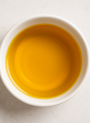
Jojoba Oil (Golden - Deodorized)

Rosehip Oil (Extra Virgin Organic)
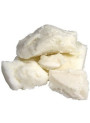
Shea Butter (Refined , Deodorised)
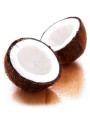
Fractionated Coconut Oil
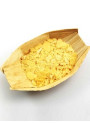
Carnauba Wax (Flake, Melting 80C)