Viscosity Stability and Ingredient Effectiveness in Rinse-off Formula
Question
I am developing a rinse-off formula (body wash/shampoo) using the following ingredients:
- Creatine 0.5%
- Phenoxyethanol 1%
- EDTA 0.2%
- glycerin 5%
- Sulfate Free Shampoo Base no tear 25%
- Water (balance)
- Salt 1%
I was satisfied with the initial thickness, but after about a week, the viscosity gradually decreased until it became like plain water with no thickness. Why did this happen?
Additionally, I previously used Hydrogel (Biosaccharide Gum-1) in this formula for adult face wash because the website description stated it provides moisture retention better than hyaluronic acid and can be used in rinse-off formulas, making skin and hair smooth without silicone. I chose it based on this. However, the staff advised removing it, saying it's not beneficial in a rinse-off product. This contradicts the website information, which is confusing. Could you clarify the effectiveness of Hydrogel in rinse-off formulas?
Also, is using food-grade Sodium Bicarbonate acceptable for adjusting the pH in this type of formula?
Answer
Revised Formula Options
Here is a revised formula and instructions for a gentle, all-in-one body wash and shampoo suitable for children with dry, sensitive skin, addressing your concerns about foam, viscosity, and clarity.
Based on your experience and the ingredients you have, we can adjust the formula to improve foam and stability.
Option 1: Using MildWash and Creamy Foamer
This option aims to boost foam and cleaning by combining MildWash with Creamy Foamer and Coco Betaine.
- MildWash L™ (Sodium Lauroamphoacetate): 10-15%
- Coco Betaine: 10%
- Creamy Foamer™ (Sodium Methyl Cocoyl Taurate): 5-10%
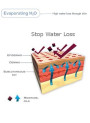
- water lock (Polyquaternium-51): 1%
- Creatine 100: 0.5%
- Pro Vitamin B5 (Panthenol): 0.5%
- Phenoxyethanol (Extra Pure): 1%
- Disodium EDTA: 0.2%
- Natural Moisturizing Amino acid: 0.5%
- glycerin (USP/Food Grade): 5%
- Silk Protein (Hydrolyzed Silk Protein): 0.5%
- Hydrogel (Biosaccharide Gum-1): 0.5% (Optional - see notes below)
- EasyThick™ (or Xanthan Gum/AnyGel): 1-3% (Adjust for desired viscosity)
- Water: Balance to 100%
Option 2: Using Coco Foam (Recommended for No-Tear)
This option uses Coco Foam, which is known for excellent mildness and foam, often used in baby products.
- Coco-Foam-50™ (Cocamidopropyl Hydroxysultaine): 10-15%
- Coco Betaine: 10%
- water lock (Polyquaternium-51): 1%
- Creatine 100: 0.5%
- Pro Vitamin B5 (Panthenol): 0.5%
- Phenoxyethanol (Extra Pure): 1%
- Disodium EDTA: 0.2%
- Natural Moisturizing Amino acid: 0.5%
- glycerin (USP/Food Grade): 5%
- Silk Protein (Hydrolyzed Silk Protein): 0.5%
- Hydrogel (Biosaccharide Gum-1): 0.5% (Optional - see notes below)
- EasyThick™ (or Xanthan Gum/AnyGel): 1-3% (Adjust for desired viscosity)
- Water: Balance to 100%
Instructions for Preparation
- Combine water, surfactants (MildWash, Coco Betaine, Creamy Foamer for Option 1; Coco Foam, Coco Betaine for Option 2), water lock, Creatine, Pro Vitamin B5, Phenoxyethanol, Disodium EDTA, Natural Moisturizing Amino acid, glycerin, Silk Protein, and Hydrogel (if using). Stir gently to combine.
- To thicken the mixture using EasyThick™ (or Xanthan Gum/AnyGel), warm the mixture to around 50-60°C.
- Gradually add the thickener (EasyThick™, Xanthan Gum, or AnyGel) while stirring continuously until the desired viscosity is reached. Start with a lower percentage (e.g., 1%) and add more as needed. Avoid adding too much at once to prevent clumping.
- Once the desired thickness is achieved, stop heating and continue stirring occasionally as the mixture cools.
- Check and adjust the pH of the final product to be between 5.5 and 6.0, which is ideal for both skin and hair and helps maintain the formula's stability. You can use a Citric Acid/Sodium Citrate buffer or Lactic Acid/Sodium Lactate buffer. If you need to raise the pH, food-grade Sodium Bicarbonate is acceptable for this type of rinse-off product.
Notes on Your Questions
- Foam: In Option 1, increasing MildWash and adding Creamy Foamer should significantly boost the foam compared to using only 3% MildWash. In Option 2, Coco Foam is known for producing good, gentle foam. Combining these surfactants (MildWash + Coco Betaine + Creamy Foamer, or Coco Foam + Coco Betaine) provides a balance of cleaning and foam suitable for a body wash and shampoo.
- Viscosity Stability: The thinning you experienced with salt and EasyThick might be due to the interaction between salt and the specific surfactant base you used, or the concentration of EasyThick. Using EasyThick, Xanthan Gum, or AnyGel as the primary thickener, added correctly by warming the base, should provide better and more stable viscosity than relying on salt. Adjust the percentage of the thickener to get the consistency you prefer.
- Clarity: The clarity of the final product depends on the specific surfactants and other ingredients used. AminoWash can cause initial cloudiness that clears over time. MildWash may also contribute to cloudiness. The Coco Foam + Coco Betaine combination (Option 2) is generally more likely to result in a clear gel, especially when paired with a clear-gel type thickener like Xanthan Gum or EasyThick. If clarity is a priority, Option 2 is recommended.
- Hydrogel: Regarding Hydrogel, while website descriptions highlight its moisturizing benefits, its effectiveness in rinse-off products where it's quickly washed away is less pronounced compared to leave-on products. Staff advice often focuses on practical application and significant benefits in typical formulations. However, if you feel it provides a pleasant slip or feel in your rinse-off product, you are welcome to include it.
- Sodium Bicarbonate: As confirmed previously, food-grade baking soda (Sodium Bicarbonate) is suitable for adjusting the pH in shampoo or liquid soap formulas.
Choose the formula option that best suits your ingredient availability and preference for clarity. Follow the revised instructions for adding the thickener to achieve stable viscosity.
Related Products Mentioned
Glycerin (USP/Food Grade)
Phenoxyethanol (Extra Pure)
Cocamidopropyl Betaine
Disodium EDTA
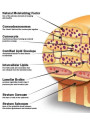
WaterLock™ (Polyquaternium-51)
Hydro Gel (Biosaccharide Gum-1)
Sodium Bicarbonate

Hydrolyzed Silk Protein (Sericin)
Creatine 100
Mild-Wash L™ (Sodium Lauroamphoacetate)